
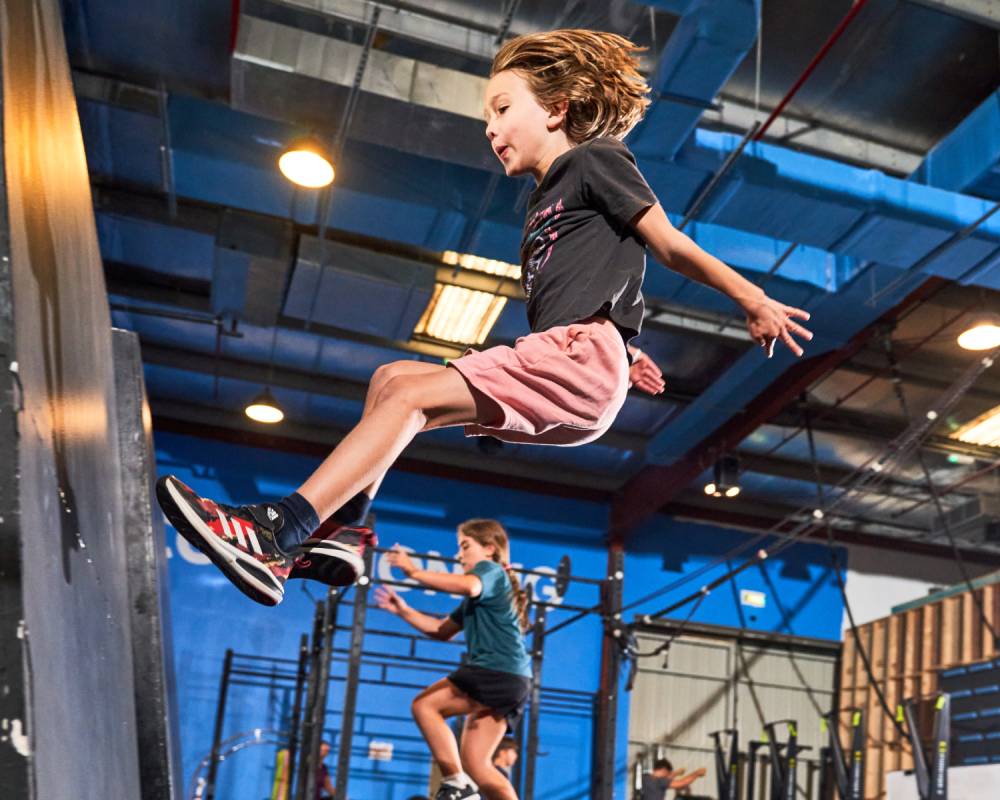
Confidence does not appear overnight.
It grows each time a child tries, struggles, and succeeds.
If you have seen your child stand at the edge of a climbing wall or hesitate before joining a group activity, you are not alone. Many parents in Dubai go through this experience. What you see in these situations is doubt, but you also see the potential.
Your child can feel unsure and still grow into a brave and capable person. That’s because building confidence in children takes patience and practice. It also needs support and the right environment.
One of the most effective tools you can use is movement-based learning. Kids and physical activity go together like peanut butter and jelly. While strengthening the body, physical activity also boosts your child’s belief, courage, and independence.
Let’s learn about how you can use physical activity to raise strong, confident kids.
The Science Behind Movement and Confidence
Physical activity and our brain have a closer, more dynamic relationship than most people imagine. Regular movement can change your child’s brain. Physical activity increases endorphins and lowers cortisol.
Endorphins are the feel-good hormones in our body that improve mood. It also lowers cortisol levels, a primary stress hormone. Together, they can boost self-esteem in kids as they improve mood and mental health.
Research on child development has also shown a direct link between motor skills and cognitive growth. When children improve coordination, balance, and strength, they also improve focus, thinking, and problem-solving, particularly those in the age group of 6 to 13 years.
Whether your child engages in a simple activity like running or joins a parkour class, mastering each skill helps them create a mental pattern. Movement teaches kids that effort leads to improvement. Over time, this pattern turns into a “success blueprint.” Your child will eventually learn to apply it to school, friendships, and new challenges.
Age-wise movement-based learning for kids typically includes:
- Ages 5-7: focus on coordination and balance
- Ages 8-12: build complex skills and control
- Ages 13-15: refine strength and specialize
Your Body Can Do More Than You Think.
8 Ways Movement Builds Confidence in Kids
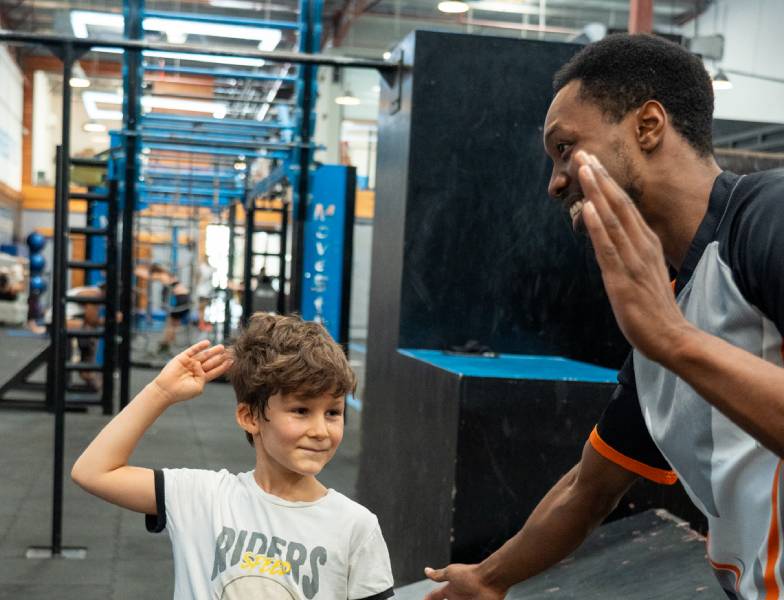
Now that the connection between movement and brain development is clear. Let’s look at the benefits of regular physical activity for kids a bit more in detail.
1. Mastering New Skills Creates a Sense of Achievement
When your child learns a cartwheel or holds a handstand for two seconds, something powerful happens. They prove to themselves that they can improve.
Kids learning new skills experience visible progress, but you have to start small. Instead of overwhelming your child, slow but steady progress teaches them to be resilient. Gradually, a two-second balance becomes five seconds, and a basic climb turns into a smooth flow.
A structured training approach, like calisthenics for kids, helps break difficult skills into simple steps. It helps kids in learning new skills and see improvement. Once your child starts achieving their goals, their confidence starts to grow.
2. Overcoming Fear Builds Mental Resilience
Movement activities present children with moments that feel “scary,” such as jumping from a height, attempting a flip, or climbing higher than they’re used to. These challenges help kids overcome fear in a safe, controlled environment. By facing these fears, your child realizes that they can manage their anxieties and push past them.
Each time your child overcomes a fear, whether it’s mastering a new skill or simply trying something for the first time, they gain confidence. This experience serves as proof of their bravery, reinforcing their belief in their own capabilities. It’s an essential part of building resilience in children, as they learn that failure is part of growth, not something to be feared.
Certified coaches play a crucial role in this process. They create a safe risk-taking environment where children feel supported and encouraged to stretch their limits. With the right guidance, your child develops mental strength that carries over into other aspects of life.
3. Body Awareness Improves Self-Image
Another benefit of physical activity for kids is that it helps them develop a deeper understanding of what their bodies are truly capable of, not just how they look. Exercises like tumbling, flexibility training, and inversions help children appreciate their strength and coordination. This awareness is critical for developing body awareness in kids.
As your child trains, they begin to foster a positive body image. Instead of being influenced by negative self-talk or comparisons to others, your kid learns to value their bodies for their function and power.
When children feel capable in their bodies, it boosts their confidence. Physical literacy not only improves their ability to perform movements but also impacts how they interact with the world. A child who feels strong and coordinated walks taller, speaks more assertively, and develops a healthy sense of self-worth.
4. Group Classes Teach Social Confidence
Confidence isn’t just about physical ability; it’s also about social interaction. In kids’ group fitness classes, your child trains in a shared environment where everyone faces challenges, falls, and gets back up.
This is a space where mistakes are normalized, teaching them that struggling is part of the learning process. When your child sees others overcome obstacles, it encourages them to keep trying too.
Through these classes, they also learn the value of teamwork for kids. Children cheer each other on, offer encouragement, and accept feedback from their coaches. These interactions help build social confidence, teaching them to communicate and collaborate effectively.
5. Structured Challenges Develop Problem-Solving Skills
Parkour and calisthenics are like physical puzzles your child gets to solve. Whether it’s figuring out how to move from one bar to the next or landing safely, each challenge requires them to think critically about their movements.
In these activities, your child learns to assess the situation, make decisions, and try again if something doesn’t work. As your child practices these physical puzzles, they’re also developing essential problem-solving skills.
They learn that obstacles aren’t something to avoid but to analyze and overcome. This mindset is invaluable, not only in movement but in everyday situations where challenges arise. Experienced coaches help guide them through these challenges, encouraging independent thinking without always giving the answers.
6. Physical Strength Translates to Inner Strength
Strength changes posture, and it can change mindset too. When your kid is strength training, they learn what their body can do through lifting, climbing, and steady body control.
This progress plays a vital role in developing physical confidence among children, and they can use it outside the gym. Over time, you will see your child standing taller, speaking with more certainty, and trying harder things without waiting for permission.
If school or social life feels tough, strength can give a fresh win to your little one. Success in movement can help them build a new self-image: capable, steady, and strong.
7. Consistent Practice Teaches Discipline and Patience
No child masters a perfect handstand in a single session, and that’s okay. Progress requires repetition, and through consistent training, your child will learn that improvement comes over time. Showing up consistently matters more than raw talent, helping them understand that dedication leads to success.
This helps develop discipline in kids, teaching them the value of routine and commitment. Your child also begins to build patience and realize that success takes time and effort. This mindset goes beyond fitness and applies to all areas of life.
8. Performing and Demonstrating Skills Builds Pride
Showcasing their skills helps children build pride. When they demonstrate a new skill to you or take part in a showcase, they step into the spotlight. While it can be nerve-wracking, they learn to perform despite those nerves, which builds performance confidence in kids.
These experiences help your child accept applause without arrogance, building emotional maturity and self-respect. At Gravity Calisthenics Gym, children are given the chance to showcase their progress in a supportive environment where effort is celebrated. Our coaches encourage growth, and parents see their child’s improvement firsthand.
Commit to the Coolest Version of Yourself.
Age-Appropriate Movement Activities for Kids
As your child grows, their fitness needs and abilities change. It’s important to choose age-appropriate exercise that matches your child’s developmental stage.
1. Ages 5-7
At this age, focus on play-based movement that encourages fun and exploration. Activities like tumbling, basic gymnastics, animal walks, and obstacle courses are great for building coordination and motor skills. Keep sessions short and engaging to match your child’s attention span while making sure they enjoy the process.
2. Ages 8-12
As your child grows, they can handle more structured disciplines. Introduce activities like beginner parkour, calisthenics fundamentals, and flexibility training. These activities require more instruction and repetition, helping children develop strength, balance, and discipline.
3. Ages 13-15
For teens, move toward skill refinement. Think advanced parkour for teens, inversions (like handstands), and strength conditioning. These activities benefit from goal-oriented training, where teens track their progress and feel motivated by visible results. Remember, teens build more confidence in their abilities and develop a deeper commitment to training.
What to Look for in a Kid’s Fitness Program in Dubai
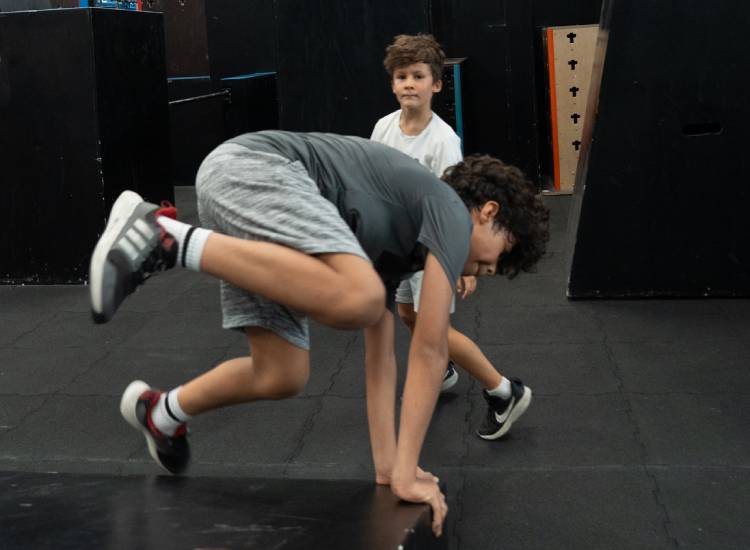
Choosing the right movement program for your child is key to making sure they thrive physically and mentally. When selecting a kids’ fitness program in Dubai, look for certain factors that contribute to both growth and enjoyment.
Here’s what to consider when evaluating a program.
- Qualified coaches with experience in children’s physical development to provide your child with proper guidance.
- A safe, well-equipped training environment with age-appropriate equipment that keeps your child comfortable and secure.
- A progressive curriculum that builds skills gradually, so your child can learn at their own pace.
- A positive, encouraging atmosphere that focuses on growth rather than competition, especially for beginners.
- Small class sizes to provide your child with individual attention and support.
At Gravity Calisthenics Gym, we offer all these qualities with world-class coaches and structured programs that nurture every child’s progress. Our community celebrates each child’s unique journey, making us one of the best parkour classes for kids in Dubai.
Still Thinking About It? Just Book It.
Book a ClassStart Building Confidence in Your Child Today
Confidence is not something children are born with, but something they develop over time with the right tools and support. By incorporating movement into your child’s routine, you’re giving them not only a way to improve their physical abilities but also a powerful means to build mental strength, resilience, and self-belief.
At Gravity Calisthenics Gym, we offer children’s fitness classes that are designed to foster growth, skill development, and a strong sense of self-worth in a fun and supportive environment.
Book a class now for your child.