
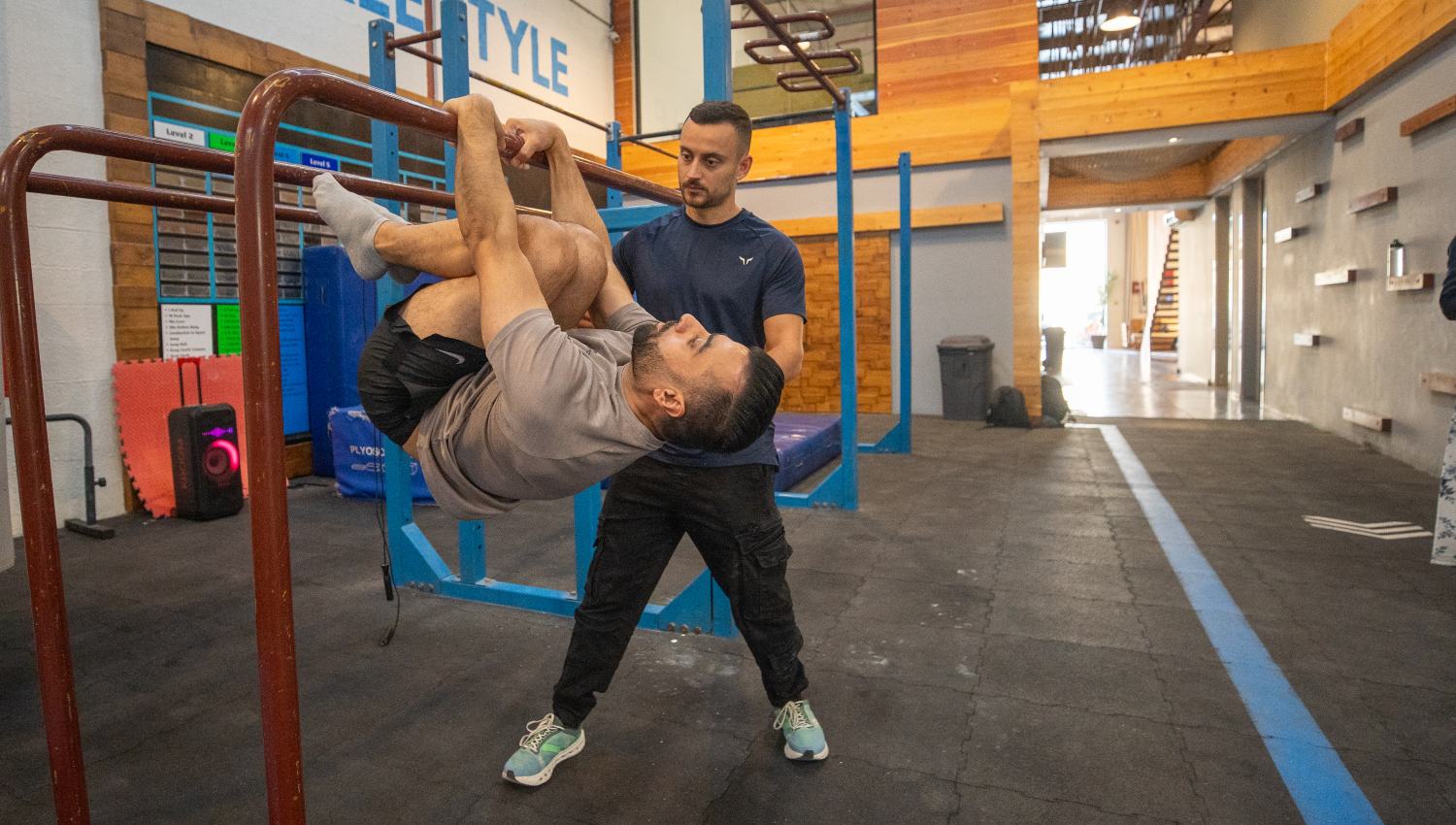
Let’s look at two athletes’ fitness routines here in Dubai. One logs hours on a treadmill every week, chasing the numbers on a step counter. The other walks into a calisthenics session, goes through a series of bodyweight exercises, and finishes in half the time.
Both say they want effective weight-loss training, but which one actually delivers smarter, more lasting results?
We hear from people every week who believe that more cardio leads to more fat-burning workouts. It’s a story common in Dubai’s fitness circles and still holds sway with those who are just starting their fitness journey.
This view overlooks how much more efficient calisthenics training can be in weight loss when structured correctly. Calisthenics turns every workout into a system that sculpts your muscles and burns calories around the clock, not just while you are moving.
Let’s find out how.
What Is Calisthenics?
Cardio means steady movement at a consistent speed for a set time. That covers running, cycling, or using machines like elliptical trainers. People pick up cardio since it’s easy to get started, and it does burn calories. But the benefits stop once the workout ends.
Calisthenics is different. It’s bodyweight training that builds strength and raises the heart rate at the same time. You use push-ups, squats, dips, and pull-ups, engaging major muscle groups throughout the session. Both forms burn calories, but the process inside your body is very different, and those differences matter if your target is lasting weight loss.
Your Body Can Do More Than You Think.
7 Reasons Why Calisthenics Outsmarts Cardio
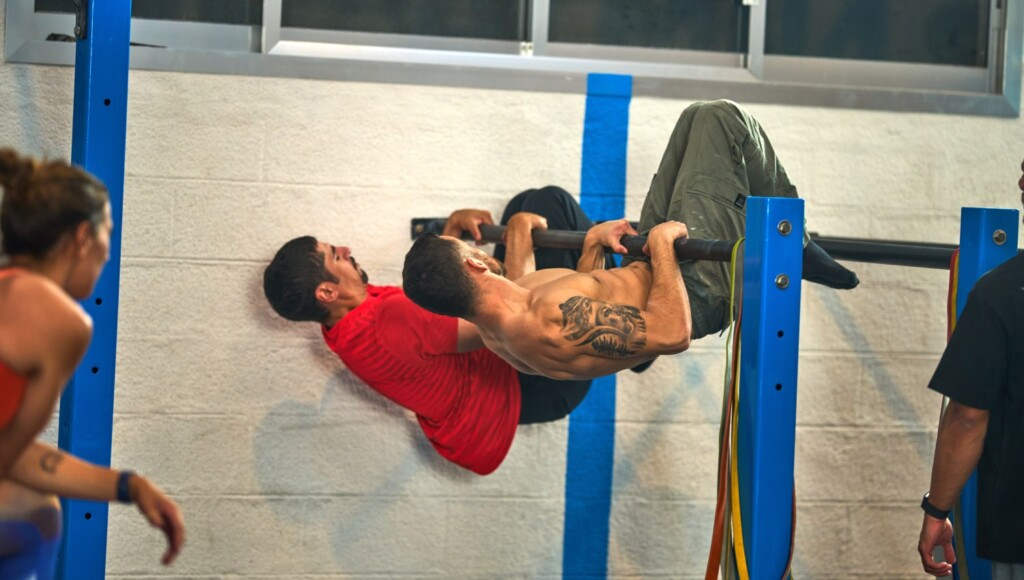
As mentioned, while both cardio and calisthenics training burn calories, the difference lies in how your body responds. Here are seven differences between cardio and calisthenics that will show you how the latter is more effective in weight loss.
1. The Afterburn Effect: Your 24/7 Calorie Furnace
One major advantage of calisthenics training comes from the afterburn effect, also known as EPOC: Excess Post-Exercise Oxygen Consumption. After an intense workout, the body continues to consume oxygen at a higher rate while it recovers. This process requires energy, meaning more post-workout calorie burn.
Steady cardio sessions often reduce calorie burn soon after the workout ends. In contrast, high-intensity calisthenics sessions can increase metabolic activity long after training finishes. A recent study has shown that EPOC from resistance-style training, like calisthenics, results in a significantly higher post-exercise energy expenditure than workouts like cardio.
The reason lies in movement complexity. When you do intense calisthenics, especially using compound movements like pull-ups, dips, and muscle-ups, your body works harder to recover. This increases your oxygen demand, which drives your metabolic conditioning.
During recovery, the body repairs muscle fibers, restores energy stores, and stabilizes internal systems. Each of these steps requires energy. That energy use supports ongoing calorie burning long after you leave the gym.
If you are a part of the fitness community in Dubai, instead of spending 60 minutes jogging to burn a set number of calories, you should think of a short 30-minute calisthenics workout that turns your body into a furnace for the rest of the day.
2. Muscle Preservation Meets Fat Loss: The Body Recomposition Magic
The second reason calisthenics wins is its impact on lean muscle mass. Traditional cardio can help you lose weight, but typically, you lose both fat and muscle, which leaves you lighter but not necessarily stronger or more defined.
Calisthenics training uses your whole body in each move. You gain new muscle while burning fat, a concept called body recomposition. Muscle preservation is essential. Muscle tissue uses more calories at rest than fat tissue, so your body works harder throughout the day, not just during training.
People who only focus on cardio often become “skinny fat.” They are lighter on the scale, but with soft, untoned bodies. Instead, if you join a calisthenics gym in Dubai or do it regularly at home, you can develop a physique that looks strong and athletic.
If your goal is to look toned, perform better, and feel genuinely stronger, calisthenics training is the smarter choice. You keep the muscle that shreds fat, not the one that burns out from too much repetitive motion.
3. Time Efficiency: Maximum Results in Minimal Minutes
Many people in cities like Dubai lead busy lives, which means their schedules typically push fitness lower on the priority list. The idea that you need to spend an hour at the gym for weight loss is outdated.
A typical cardio session might take you 45 to 60 minutes. That covers the time to warm up, wait for equipment, and grind out steady movement. In contrast, a focused calisthenics training program can deliver the same or better fat-burning workout in 20 to 30 minutes.
This approach usually uses HIIT training, where short bursts of effort alternate with brief recovery periods. During a HIIT training session, your body experiences repeated spikes in heart rate and muscle engagement. These bursts increase energy output and stimulate strong metabolic activity.
A simple calisthenics circuit may include push-ups, pull-ups, squats, dips, and core exercises. Each movement activates multiple muscle groups while maintaining a high heart rate.
This structure fits perfectly into modern routines. Many people in Dubai prefer time-efficient workouts that offer strong results without long gym sessions. A 30-minute workout allows people to train effectively even on busy days.
If you are eager to join the fitness community in Dubai without spending hours at the gym, a 25-minute calisthenics training should prove a good starting point. It’s a great solution, especially for those who are trying to balance work, family, and health goals.
4. Hormonal Optimization: Triggering Your Body’s Natural Fat Burners
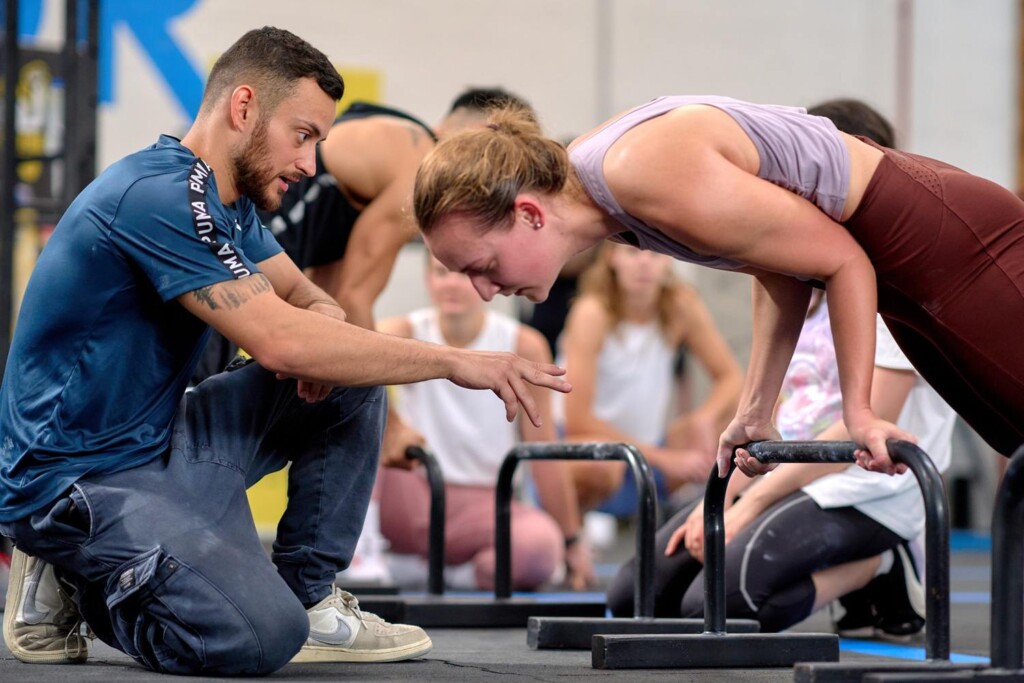
Your hormones control how your body stores and burns fat. What many people miss is how different types of exercise affect those hormones.
One key hormone is growth hormone. High-intensity bodyweight training can increase growth hormone levels, which support tissue repair and fat burning. Strength exercises also stimulate testosterone, a hormone that contributes to muscle development and metabolic activity.
Long sessions of steady cardio can sometimes increase cortisol, a stress hormone linked with fat storage when stress levels remain high. However, shorter and more intense calisthenics workouts often create a better hormonal balance.
Improved insulin sensitivity provides another advantage. When your body responds efficiently to insulin, it manages blood sugar more effectively and stores less excess energy as fat.
These hormonal responses also affect appetite. After intense strength-based training, many people notice better hunger control and fewer cravings. Through structured calisthenics training, your body activates several fat-burning hormones at once. This supports both weight loss and long-term metabolic health.
5. Progressive Overload: Constant Challenge, Continuous Results
The human body adapts quickly to repeated movement patterns. For instance, a runner who follows the same cardio exercise routine every week typically experiences slower progress over time. The body becomes efficient at the activity, which reduces calorie demand.
Calisthenics training solves this problem through progressive overload. This principle increases the difficulty of exercises over time, which keeps the body adapting.
Bodyweight training offers countless progression options. As a beginner, you may start with incline push-ups. Later, you progress to standard push-ups, decline push-ups, and eventually advanced movements such as planche progressions.
Pull-ups follow a similar path. You might begin with assisted pull-ups, progress to strict pull-ups, and later explore one-arm variations. Each new progression introduces a stronger stimulus. This approach prevents fitness plateaus and keeps your body improving.
Skill development adds another layer of motivation. Movements such as muscle-ups, handstands, and front levers create visible milestones during training. A structured calisthenics training program uses progression systems that guide you through these stages.
This method encourages exercise progression, builds functional strength, and keeps training engaging. If you want to keep getting results week after week, focus on progressive overload in calisthenics, not endless time on machines.
6. Full Body Integration: Functional Movement Burns More
Traditional cardio often works just the legs or keeps you repeating a small range of motion. Calisthenics training uses compound movements. These are the moves that call on the chest, back, arms, core, and legs at the same time.
This synergy means you use more muscles in each exercise. Every time you squat, push, or pull, your core is activated to stabilize the body. More active muscle groups equal higher calorie burn and improved metabolic effect.
The benefit carries over to life outside the gym. Whether you are preparing for the next Dubai Games or lifting groceries at home, functional strength from calisthenics means less risk of injury and better performance.
Through full-body workouts, calisthenics training turns every exercise into an opportunity for strength and conditioning at the same time. Young athletes training for football, parents chasing after active kids, or professionals who want sharper focus all can enjoy better results with full-body workouts.
7. The Sustainability Factor: Building Long-Term Habits
Long-term success in weight loss training depends on consistency. A routine that feels repetitive often leads people to stop training after a few weeks.
Calisthenics training offers a different experience. Skill-based exercises add excitement to each session. Learning a pull-up, holding a handstand, or completing a muscle-up creates clear milestones that keep motivation high.
Visible strength improvements also provide powerful feedback. When you complete their first pull-up or master a new progression, progress becomes tangible. Community support adds another layer of motivation. When you become part of a fitness community in Dubai, the environment encourages you to train together, share your progress, and celebrate achievements.
With proper coaching, calisthenics also maintains a low injury risk. Structured guidance allows members to progress safely through exercises. At the same time, variety keeps your fat-burning workouts fresh. New movements, circuits, and progressions prevent you from boredom and help you stick to your routine longer.
Over time, lifestyle fitness replaces short-term routines, with calisthenics training becoming part of daily life rather than a temporary program.
Commit to the Coolest Version of Yourself.
Start Your Calisthenics Training in Dubai Now
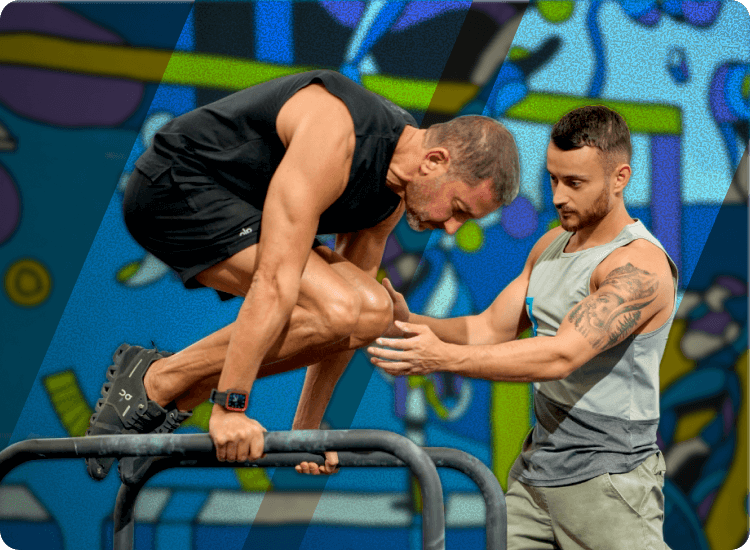
Both cardio and calisthenics training support weight loss, but their impact differs. Calisthenics creates stronger metabolic activity, supports body recomposition, saves time, and encourages long-term consistency. This is made possible through the afterburn effect, muscle preservation, efficient workouts, hormonal balance, progressive overload, full-body engagement, and sustainable workout habits.
Cardio still holds value for endurance and active recovery. But if your goal is effective weight loss training, calisthenics training offers a smarter primary approach.
At Gravity Calisthenics Gym, expert coaches guide members through structured calisthenics programs that build strength, improve conditioning, and support lasting results. If you want a proven system for fitness training, walk into our calisthenics gym in Dubai and experience the difference.
Book your free trial class now and see how calisthenics training can redefine your fitness journey.