
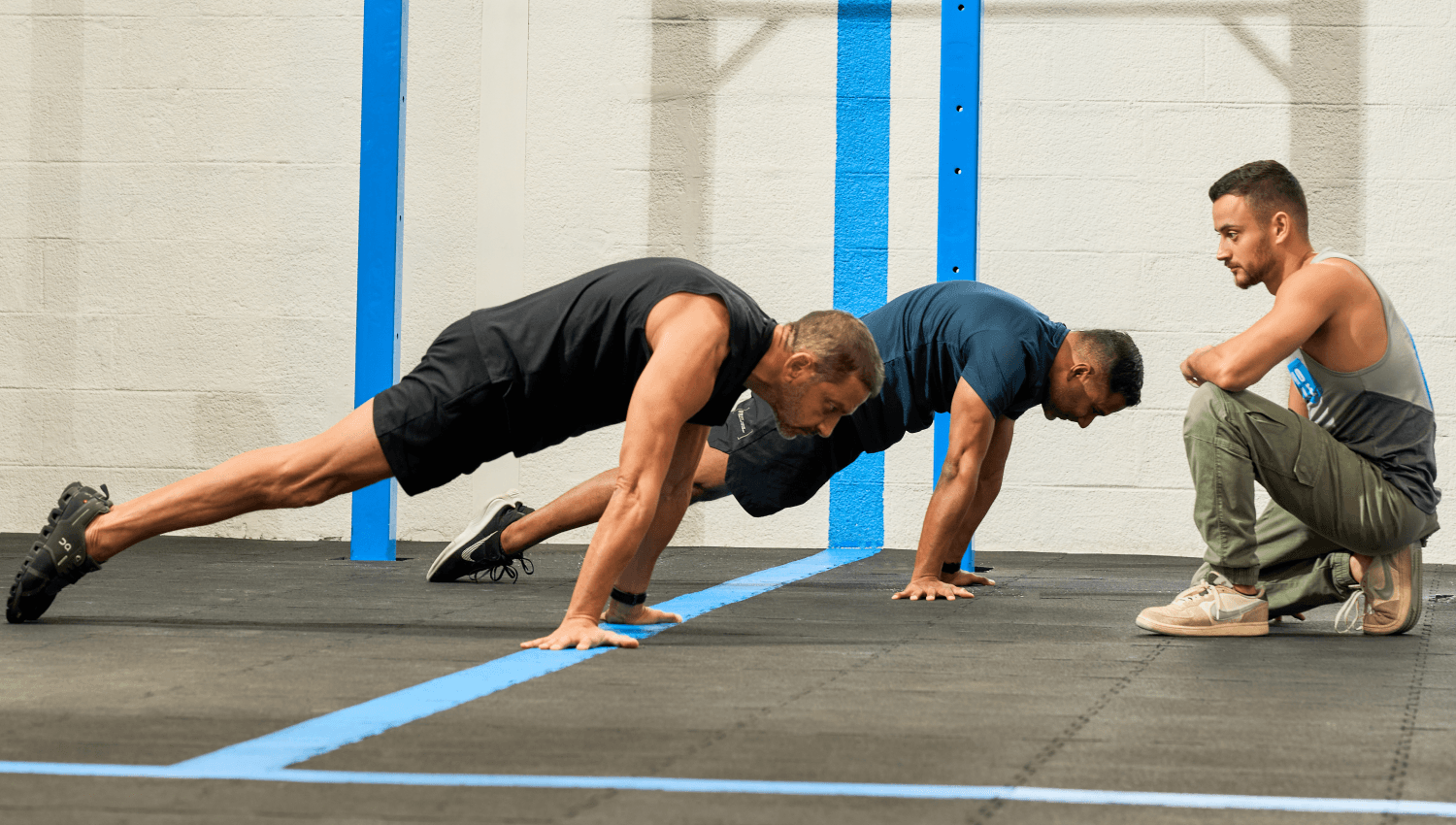
Starting calisthenics can feel exciting and intimidating at the same time. During the first few weeks, even basic movements might feel harder than expected. A pull-up may seem impossible, your grip might give out quickly, and soreness can hit muscles you have rarely noticed before.
That’s normal. The first 90 days of calisthenics are less about perfection and more about learning how your body moves. This guide walks you through the physical changes, mindset shifts, and what else to expect in the first month of calisthenics as a beginner.
Before We Start: What Your Body Is Walking Into
For beginners, calisthenics can feel very different from traditional gym training, since it uses body weight as resistance. Instead of relying on machines, your body becomes the resistance. That sounds simple, but it asks your body to control balance, joint position, grip, breath, and core tension at the same time.
Unlike weight machines that guide your movement, calisthenics forces you to control every part of the exercise yourself. Progress is measured by movement quality and skill development, not just heavier weights.
During the first 90 days of calisthenics, your goal is simple: build strength, improve mobility, and learn proper movement patterns. That foundation defines everything that comes later.
Your Body Can Do More Than You Think.
Days 1–30: The Foundation Phase
The first month is usually the hardest part of starting your calisthenics journey. Your body is adapting to movements it probably has not practiced before, and the adjustment period can feel humbling.
What Happens Physically?
You will likely feel soreness in your shoulders, core, forearms, and grip. Dead hangs, rows, push-ups, and hollow body holds activate stabilizer muscles that many people rarely train.
At this stage, visible muscle changes may still be limited. That does not mean you are missing progress. Most early strength gains come from your nervous system learning how to recruit muscles more efficiently.
This is why push-ups start feeling smoother, and planks become easier even before your physique changes dramatically.
Skills You’ll Practice
Your beginner calisthenics progress (first month) focuses on basic movement patterns:
- Push-ups
- Incline push-ups
- Pull-up negatives
- Bodyweight rows
- Air squats
- Hollow holds
- Dead hangs
Many beginners expect quick pull-ups or dips in the first 30 days of calisthenics. In reality, regressions are part of the process. Assisted exercises help you build the strength needed for advanced movements later.
At this point, your form matters more than repetitions. Ten sloppy reps teach poor mechanics, while clean, controlled reps help you build long-term strength.
The Mental Side
The first 30 days of calisthenics test your patience more than your strength. That is why comparing yourself to experienced athletes online can make progress feel slow. This is where many people quit. Don’t be like most people.
The first month is about showing up consistently, even when progress feels small. Three sessions per week can create major momentum when combined with proper recovery, hydration, and at least seven hours of sound, uninterrupted sleep.
Tracking your workouts also helps. Taking notes on your phone can reveal improvements you might otherwise miss.
Coach Insight: “We see many beginners underestimate grip strength. Improving your grip early makes pull-ups, hangs, rows, and even handstands feel more stable later in your calisthenics training progress.”
Days 31–60: The Adaptation Phase
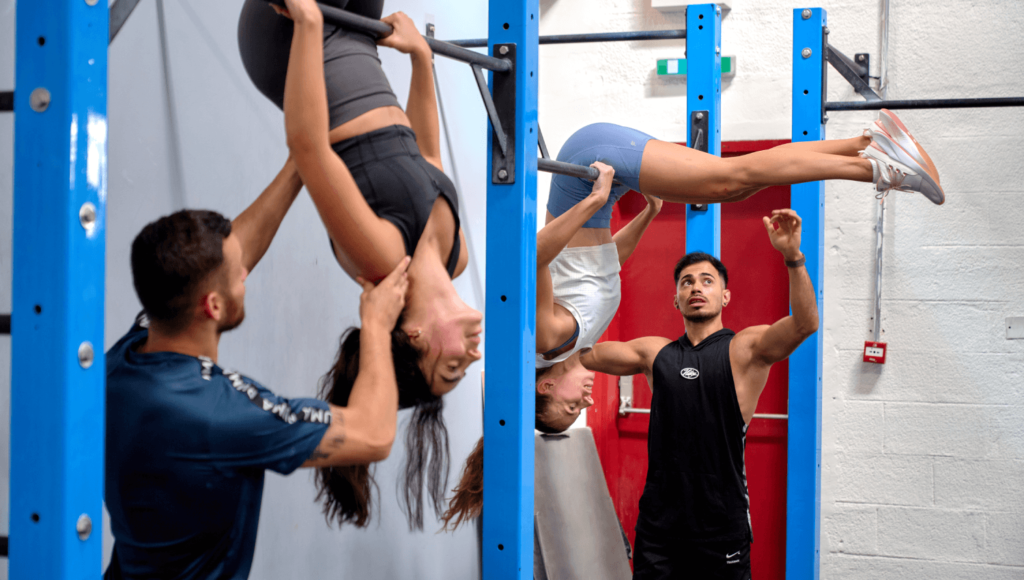
Around the second month, things usually start clicking. Movements that felt awkward in the first 30 days of calisthenics begin to feel more natural, and confidence starts growing.
Physical Changes You May Notice
The most evident calisthenics progress in month two is grip endurance, which improves noticeably. Your push-ups become smoother, dead hangs last longer, and controlled negatives feel more stable.
Your core stability also improves during this phase, and that changes everything. That is because a stronger core supports pull-ups, dips, squats, and handstand work.
You may also notice early body composition changes:
- Slightly leaner appearance
- Better posture
- More shoulder definition
- Improved movement control
These are common bodyweight training results during month two.
Skills You’ll Progress Toward
This phase often includes progression work such as:
- Assisted pull-ups
- Band-supported pull-ups
- Bench dips progressing to parallel bars
- Push-up variations
- Crow pose practice
- Wall handstand holds
You start transitioning from learning movements to refining them. Calisthenics training also begins to feel less like exercise and more like skill practice. That shift keeps many people motivated long term.
Mental Changes
By now, you have already stayed consistent for over a month. You also begin learning how your body responds to training. Tight shoulders, weak core engagement, and mobility limitations become easier to identify.
This awareness is one reason many people fall in love with calisthenics at this stage. You become more connected to how your body moves instead of simply counting repetitions.
What to Focus On
During this phase, increase intensity gradually:
- Add reps slowly
- Slow down your movement tempo
- Reduce rest periods slightly
- Improve range of motion
Avoid rushing your calisthenics progress in month two. Trying advanced movements too early usually slows progress instead of speeding it up. Instead, filming your exercises occasionally can help you clean up your technique and posture.
Coach Insight: “Most people asking how long until I see results focus only on aesthetics. In reality, the first major win is movement quality. When push-ups, hangs, and squats start feeling controlled, visible changes usually follow soon after.”
Days 61–90: The Momentum Phase
By month three, consistent calisthenics training starts creating visible momentum. This is the stage where many beginners realize they are stronger than they expected.
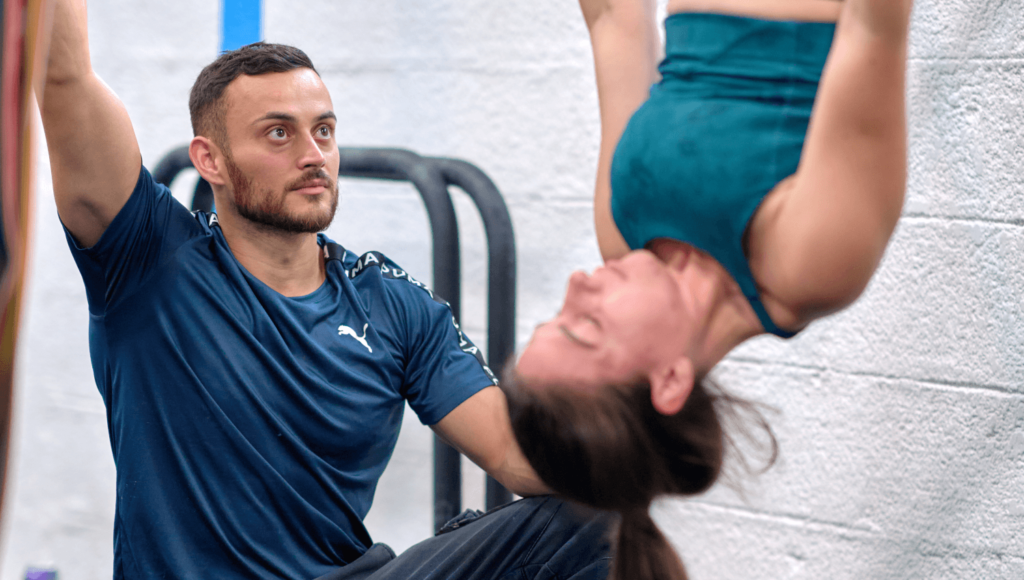
Physical Changes
You may notice visible muscle definition in your shoulders, back, chest, and arms. Strength gains also become easier to recognize during daily training.
Many beginners hit their first unassisted pull-up during this stage. Others move from one shaky rep to several controlled repetitions.
Mobility often improves too, especially when warm-ups and stretching stay consistent. Better shoulder mobility supports handstands, hangs, and pressing movements.
You also develop better body awareness. You can feel the difference between a clean rep and a sloppy one.
Skills You’ll Work Toward
By this stage, many calisthenics beginners start practicing:
- Full pull-ups
- Controlled dips
- Diamond push-ups
- Archer push-ups
- Wall handstand holds
- L-sit progressions
At this stage, your focus shifts from surviving workouts to developing real movement skills.
Mental Shifts
This is where calisthenics training becomes part of your lifestyle. You now have a consistent routine, more discipline, and growing confidence.
Many people also start setting bigger goals at this stage, such as:
- First muscle-up
- Freestanding handstand
- Front lever progression
- Longer L-sit holds
That forward momentum keeps your training exciting.
What to Focus On Next
After 90 days, structured coaching can help speed up your progress safely. Small adjustments to your form, programming, and progression selection make a major difference.
At Gravity Calisthenics Gym, beginners train alongside coaches and members who have already gone through the same learning curve. That environment makes consistency easier and your progress more enjoyable.
Coach Insight: “The best part of the first 90 days of calisthenics is not the physical change. It’s realizing your body can do things that once felt impossible.”
5 Common Mistakes Beginners Make
Many calesthencis beginners slow down their own progress by making avoidable mistakes. Here are some of the most common:
- Skipping Fundamentals: Advanced skills look exciting, but basic strength comes first. Build clean push-ups, rows, and pull-ups before chasing muscle-ups.
- Ignoring Mobility: Tight shoulders and hips can hold back your calisthenics progress. Add simple mobility work so your body moves better during each session.
- Training Every Day: More training does not always mean faster results. Your body needs rest to recover, adapt, and come back stronger.
- Comparing Yourself Online: Social media shows polished highlights, not years of practice. Focus on your own calisthenics progress timeline instead.
- Neglecting Leg Training: Strong legs support balance, control, and full-body strength. Add squats, lunges, and lower-body progressions to your routine.
Still Thinking About It? Just Book It.
Book a ClassStart Your First 90 Days of Calisthenics Today
The first 90 days of caleishtenics are exciting. While the first month teaches you patience, the second month builds confidence. By the third month, you start seeing what consistent effort can really do, and like most people, fall in love with calisthenics.
Throughout your journey, keep in mind that progress comes from repetition, discipline, and movement quality. Some days feel difficult, while others remind you how far you have already come. It is a part of your progress.
Gravity Calisthenics Gym offers one of the best calisthenics classes for beginners in Dubai. Here, beginners train in an environment built around learning, progression, and long-term growth. If you want expert support when starting your calisthenics journey or even during a later stage, start your class at our gym in Dubai today.
Book a free session today to kick off your calisthenics training.