
Have you ever wondered why your handstand is not improving despite all the practice? You are not alone. Many people see their handstand training plateau over time.
It is one of the most sought-after skills in calisthenics and one of the most poorly practiced. Most people spend months kicking up against a wall with zero measurable progress, not because a freestanding handstand is beyond them, but because they are repeating the same errors in every session.
A handstand is not a party trick. It is a full expression of shoulder strength, body alignment, wrist stability, and body awareness working together. When it does not come together, the reason is almost always one of a predictable set of handstand training mistakes.
Here are the eight most common handstand errors and how to fix them.
1. Using the Wall as a Crutch Instead of a Tool
The wall is a useful handstand training tool, but most people turn it into a comfort zone. They spend entire sessions chest-to-wall or back-to-wall, holding a position they already know how to hold, and call it handstand training. The nervous system never learns what freestanding actually feels like because it is never asked to.
Wall handstand drills have a place in any smart progression. Shoulder alignment checks, hollow body holds, and controlled kick-up practice against the wall are all legitimate. The problem is when the wall becomes a substitute for handstand balance training rather than a step toward it.
To fix this issue, limit your wall time to targeted drills. Spend deliberate time in each session working freestanding kick-up attempts, even if they only last one or two seconds. That brief moment of balance is where the real freestanding handstand progression begins.
2. Skipping Wrist Preparation and Paying for It
Wrist pain is probably the number one reason people plateau or quit entirely, and it is almost entirely preventable. Most people jump straight into kick-up attempts without a proper wrist warm-up before handstand practice. Doing this loads a joint that has not been prepared to receive your full bodyweight through a small surface area.
Warm-ups like wrist circles, extensions, and finger-spread compression holds take less than five minutes. Investing in those five minutes is non-negotiable for handstand injury prevention.
You cannot build long-term wrist strength for calisthenics through flexibility alone. The wrist needs to be progressively conditioned to handle load in extension, and that conditioning starts before the first kick-up of every session, not after the first painful rep.
Coach Insight: “A lasting handstand starts with strong wrists. Daily preparation builds the strength and resilience needed to support your body comfortably through months and years of practice.”
3. Allowing a Banana Back Instead of Building a Hollow Body
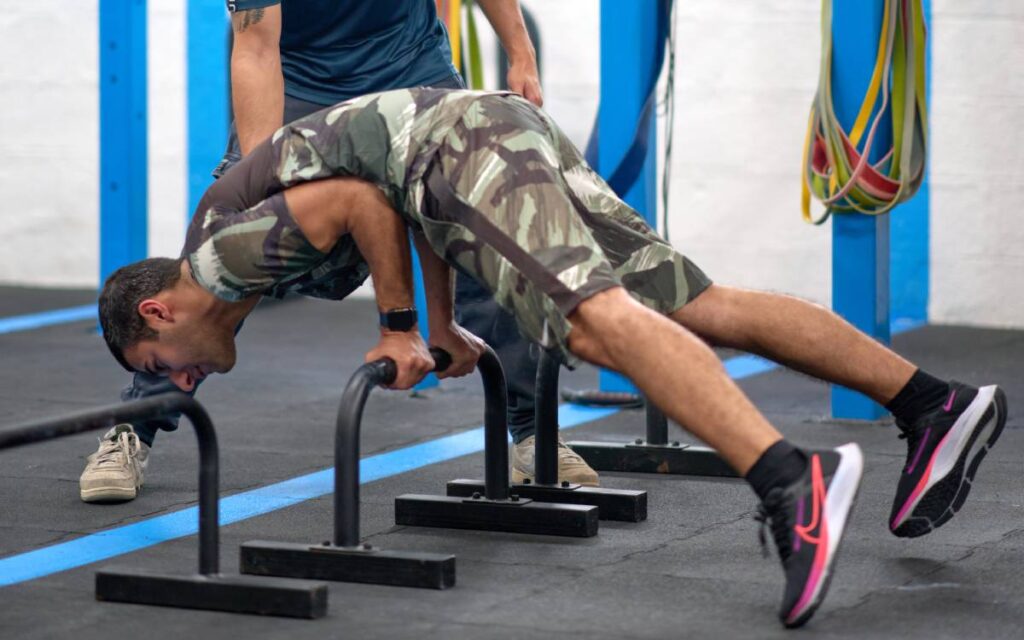
A banana back, that excessive lumbar arch most beginners train with, is not a style preference. It is a compensation pattern that signals insufficient core engagement and limited shoulder flexibility. Training with it actively makes handstand balance harder by shifting your body’s center of mass unpredictably.
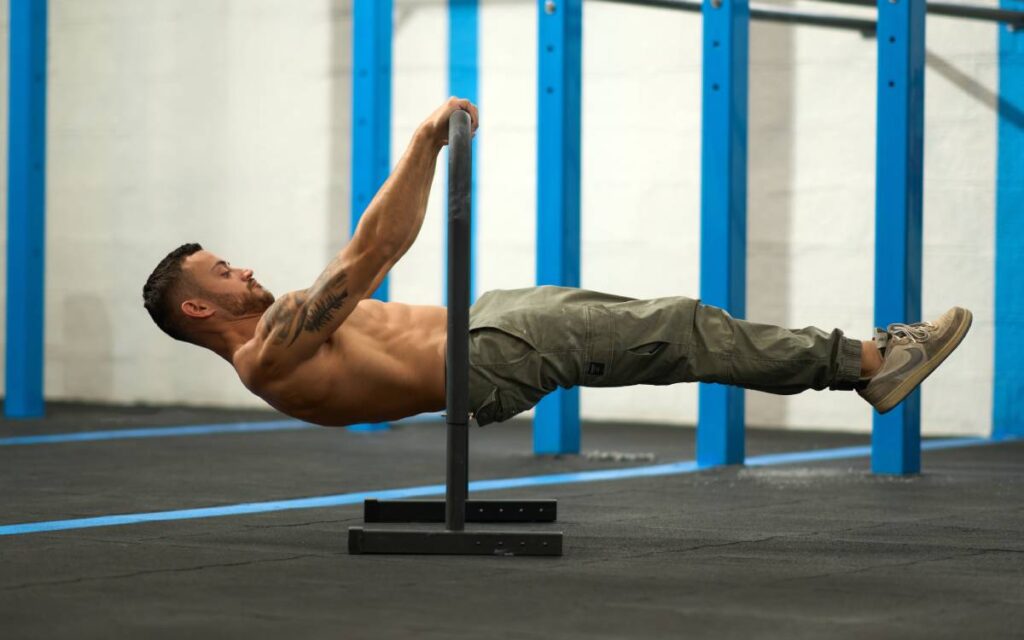
Your handstand hollow body position is the structural foundation every variation is built on. Ribs tucked, glutes squeezed, legs together, hips in line with the shoulders and wrists. This is not an advanced concept in handstand training; it is the baseline.
The banana back handstand fix starts on the floor, not in the air. Drill your hollow body holds and dish shapes until they feel automatic. It is the prerequisite for clean handstand alignment at any level. Do not skip this step because it feels too basic. It is the work.
4. Treating Every Attempt Like a Max Effort
Most people approach handstand practice by kicking up as hard as they can and hoping something sticks. That is not skill training but a lottery. And the odds are not in your favor.
Handstand balance is a neurological skill. It develops through high-quality, controlled repetition, not exhausted thrashing. Short, fresh attempts with a full reset between each one build far more skill than a fatigued block of ten consecutive kicks, where nothing is being learned and corrected.
In other words, handstand training frequency matters less than handstand training quality. Training the skill when your body is fresh, early in a session, before fatigue sets in, produces better adaptation than using it as a finisher when your arms are already tired. Treat each kick-up as a deliberate calisthenics skill practice attempt, not a brute-force effort.
5. Ignoring Shoulder Flexibility and Overhead Mobility
A stacked handstand, ears between the arms, shoulders fully elevated, arms perfectly vertical, requires genuine shoulder flexion range. Most adults do not have this without specific training, and most handstand training programs do not address it directly enough.
Forcing a handstand without adequate shoulder flexibility creates compensation through your lower back. That sends you straight back to the banana back problem covered in mistake three. It is a loop that repeats until the mobility work is done.
Overhead shoulder stretches, thoracic extension work, and active shoulder mobility drills are non-negotiable components of your handstand training. This progress translates directly and visibly into handstand alignment within weeks.
Coach Insight: “Better mobility makes balance easier. A few minutes of focused shoulder work before every handstand training session helps your body stack naturally and reduces unnecessary compensation through the lower back.”
6. Looking at the Wrong Spot
This is a small detail but with a large impact. Where your eyes focus in a handstand directly affects head position, spinal alignment, and the quality of your balance.
Looking too far forward drops your head out of the line and disrupts the neutral spine. Looking straight down collapses your shoulder position. Neither is correct.
In a proper handstand, your gaze should fall somewhere between the thumbs. That neutral handstand head position keeps the entire line clean from wrists to toes. It is a five-second fix, and one cue that immediately changes the feel of your position. It also cleans up your handstand balance without any additional strength or flexibility work required.
7. Training Handstand Without Building Supporting Strength
A freestanding handstand requires the ability to actively press into the floor. Without adequate scapular elevation strength, protraction control, and shoulder stability for calisthenics, your position collapses under its own weight, no matter how many kick-up attempts are logged.
Pike push-ups, shoulder taps in plank, scapular push-ups, and wall handstand shoulder shrugs are the strength-building bridges between “I can kick up” and “I can hold it.” These are not supplementary exercises. They are the foundation that makes holding the handstand structurally possible.
Coach Insight: “At Gravity Calisthenics Gym, we build handstand-supporting strength into the Foundations and Graduates programs. Developing shoulder strength first gives every balance skill a stronger base to grow from.”
8. Training Without Any Feedback
The handstand feels completely different from how it looks. Without external feedback, most people genuinely believe they are in alignment when they are arched, tilted, or looking in the wrong direction entirely. This is one of the most frustrating but fixable causes of long-term stagnation.
Video recording from the side is a basic minimum for solo handstand feedback training. It helps reveal alignment issues, kick-up patterns, and positional habits that simply cannot be felt from the inside. Watching a single session of your handstand training footage is often more instructive than weeks of unrecorded practice.
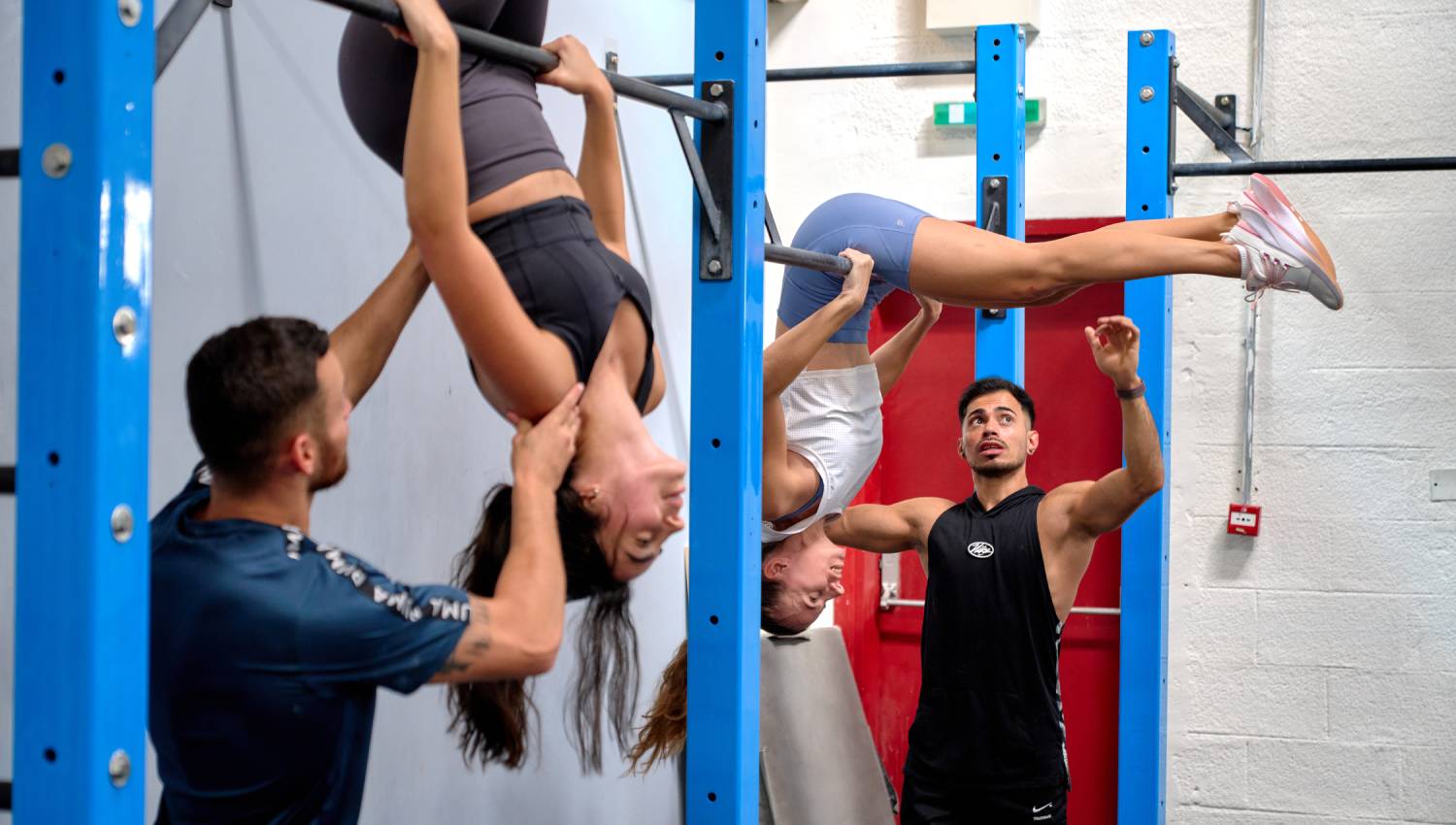
Film every practice session from the side whenever possible. Better still, work alongside a coach who can spot details that are impossible to feel while upside down. That is one of the advantages of joining Gravity Calisthenics Gym if you are looking for professional handstand coaching in Dubai.
Coach Insight: “At Gravity Calisthenics Gym, our coaches, including professionals with USAG gymnastics and WCO Elite certifications, provide immediate technical feedback that helps you correct handstand training mistakes before they become long-term habits.”
Where to Fix These Handstand Training Mistakes in Dubai
Learning a handstand becomes much easier when every practice session follows a structured progression.
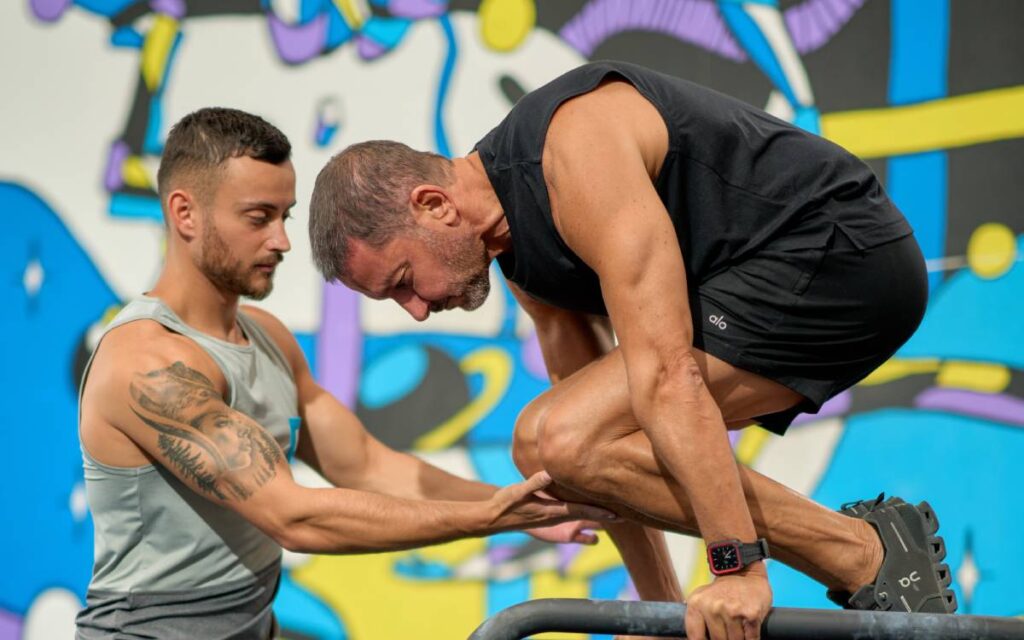
At Gravity Calisthenics Gym, each of these common mistakes is addressed through a coaching system that develops strength, mobility, body alignment, balance, and technical awareness together. Our coaches with gymnastics and movement backgrounds recognize these errors early and provide corrections before they slow your progress.
Whether you are working toward your first kick-up or breaking through a long plateau, our foundations and graduate classes provide a clear path toward confident handstand training. As your skills improve, the freestyle classes offer new challenges that continue building your strength and control.
Build a Stronger Handstand One Step at a Time
Every handstand training mistake discussed here has a practical solution. Progress rarely depends on working harder. It comes from practicing smarter, refining technique, and building the right foundation. Once these habits change, skills that once felt impossible often begin improving much faster than expected.
If you are looking for an expert calisthenics class in Dubai, Gravity Calisthenics Gym offers structured guidance that helps you stop guessing and start progressing with confidence.
Book your free trial class today to start mastering your handstand with experienced coaches by your side.