
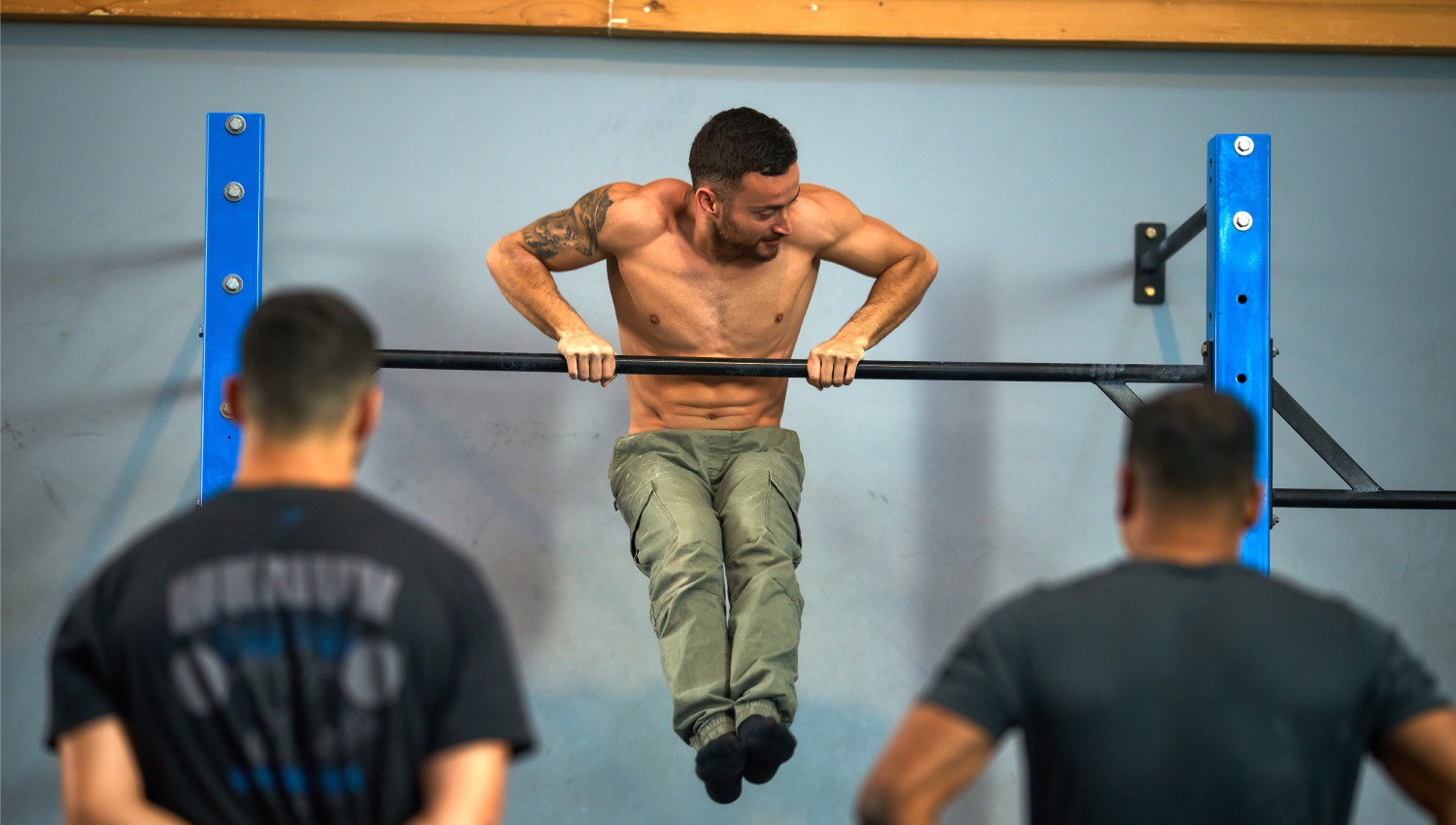
Starting your fitness journey can feel confusing. The moment you decide to lose those extra pounds, you are bombarded with endless advice, including how you need to use complex equipment to get back in shape.
Calisthenics cuts through that noise. It uses your bodyweight, not machines, to build strength, improve flexibility, and train the way your body was made to move.
This guide breaks down calisthenics training in detail. Whether you are new to functional fitness or returning after a break, you will learn how to build strength, develop control, and make lasting progress using nothing but your body and consistency.
Why Calisthenics is the Smartest Way to Start Your Fitness Journey
Most people walk into a gym in Dubai and feel lost. Rows of machines and racks of weights leave many confused. The pressure to do things the “right” way, along with advice from friends or social media, quickly becomes overwhelming.
Like most busy professionals, you might also be struggling with the same challenge:
“How do I start fitness training without wasting time, risking injury, or getting bored?”
Calisthenics training simplifies your fitness journey. You need zero gadgets, just your body and a plan. At Gravity Calisthenics Gym, we have seen beginners walk in not able to do a single push-up. Eighteen months later, they are repping out muscle-ups and handstands. Some of them are even gearing up for fitness competitions like the Dubai Games.
That didn’t come from magic. It came from mastering fundamentals, staying consistent, and following structured progressions. This beginner calisthenics guide breaks down everything in detail. It explains what calisthenics is, which movements you need to learn, and provides actionable tips for those starting out.
By the end, you will have a clear roadmap for getting started with calisthenics the right way.
What exactly is Calisthenics? (And What It Isn’t)
The word calisthenics comes from the Greek words kallos (beauty) and sthenos (strength), translating to “beautiful strength.” It is both a fitness discipline and a philosophy that builds a strong, agile body using nothing but your bodyweight.
Calisthenics training relies on natural movement patterns, such as pushing, pulling, squatting, hinging, and stabilizing. Exercises include push-ups, pull-ups, dips, squats, planks, and lunges, each focusing on multiple muscle groups in one motion. With consistent work, these simple moves progress into advanced skills like handstands, front levers, and muscle-ups.
At its core, calisthenics is freedom. It requires minimal space, minimal equipment, and maximum focus on control. It’s functional, scalable, and sustainable, which is far beyond the stereotypes that limit it.
Let’s clear up a few other myths about calisthenics training:
“It’s for people who can’t afford a gym.” Wrong. Many elite athletes use calisthenics as a deliberate training method to develop superior strength and coordination.
“You can’t build real muscle.” Wrong again. The principle of progressive overload applies to bodyweight exercises just like it does in weightlifting.
“It’s only for young or athletic people.” Incorrect. With regressions and progressions, anyone, at any age or fitness level, can practice calisthenics safely.
How is calisthenics different from weight training, CrossFit, or yoga? Weight training focuses on isolated lifts using external objects. CrossFit typically combines weights, machines, and metabolic conditioning. Yoga, on the other hand, hones your flexibility and mind-body awareness without strength-focused progressions.
Calisthenics sits at the intersection, focusing on strength, control, and mobility. It trains you to master your body first.
5 Real Benefits of Calisthenics Training (Backed by Results)
Whether you are a beginner or an experienced athlete, bodyweight training is accessible, effective, and adaptable to any environment. Here’s how calisthenics can transform your body and mind:
1. Build Functional Strength
Calisthenics builds strength that matters outside the gym. It helps you climb stairs easily, lift groceries without strain, and move confidently in your daily life. Because every exercise involves multiple joints and muscles, your body learns to work as one system, not separate parts.
When paired with parkour training, like controlled jumps, landings, or vaults, bodyweight training becomes even more functional. You learn how strength and balance come together in motion, making your body more capable, mobile, and athletic in every environment.
2. Get Lean Without Complicated Diets
Bodyweight training burns calories fast through high-intensity compound movements. It also raises your metabolic rate as you gain muscle, helping your body burn more energy even at rest. While nutrition is still key for results, calisthenics simplifies the exercise side so you can focus on building lasting habits.
3. Improve Mobility and Flexibility Simultaneously
Unlike static stretching, calisthenics builds a usable range of motion. When you squat, lunge, or bridge under control, you increase both flexibility and strength through full ranges. This reduces your risk of injury on the field, in the gym, or at home.
4. Train Anywhere, Anytime
Whether at home, in a community gym, or while traveling for work, you can always move. Dubai is full of parks and outdoor spaces perfect for calisthenics. Many workplaces in Dubai also offer indoor gyms and workout areas, where you can continue your bodyweight training. Still, having a structured environment, like Gravity Calisthenics Gym, makes it easier to follow a plan and measure progress.
5. Mental Resilience and Confidence
Nothing matches the feeling of achieving your first strict pull-up or handstand. Calisthenics training gives you clear milestones. Each new progression, your first dip or unassisted squat, builds motivation and mental toughness for all parts of life.
Coach Insight Box: “At Gravity Calisthenics Gym, we have seen beginners go from zero push-ups to muscle-ups within 12 to 18 months. The secret is consistency and smart progression. Remember that every strong athlete began as a beginner, just like you.”
Before You Start: Assess Your Current Fitness Level
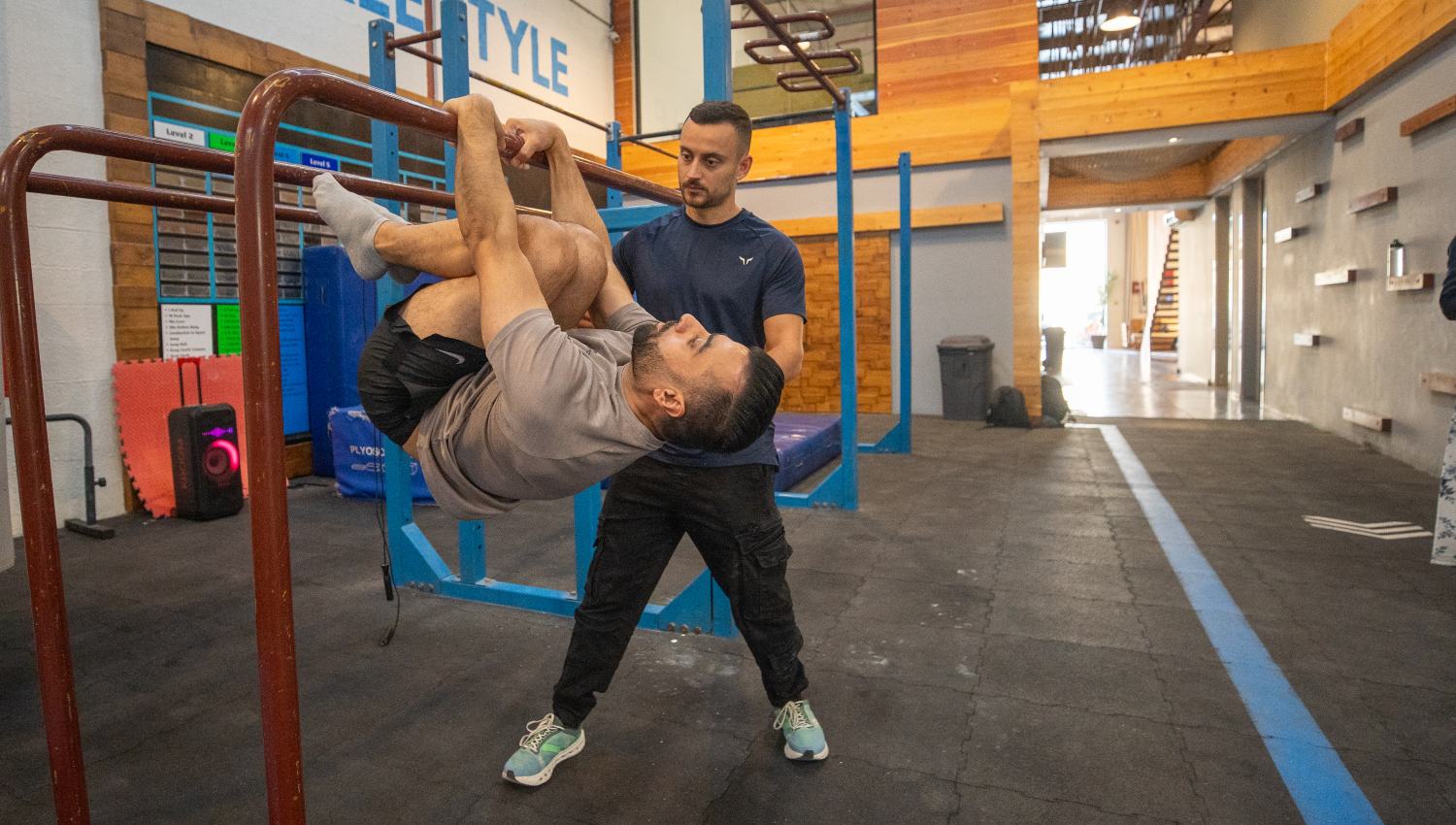
You wouldn’t set off across the desert without knowing where you start. The same holds true for your fitness journey. Before jumping into calisthenics training, know where you stand. An honest fitness assessment helps you train safely and track progress effectively. That’s one reason why generic plans copied from social media won’t meet your requirements.
Here are four simple self-assessment tests anyone can do:
Push Up Test
Count how many push-ups you can do with proper form (body straight, chest touches the ground, full lockout).
- 0 reps: You’re starting at the true beginner level.
- 1-5 reps: You have a base, but need structure.
- 6-15 reps: Solid foundation.
- 15+: Ready for intermediate work.
Squat Test
Perform a bodyweight squat. Can you reach full depth (hips below knees) without your heels lifting or knees caving in?
Dead Hang Test
Hang from a bar with an overhand grip.
- Under 10 seconds: In the early days, focus on grip and shoulder health
- 10-30 seconds: Room to grow.
- 30+ seconds: Move ahead to pulling work.
Plank Test
Hold a forearm plank with hips flat and back straight.
- Under 20 seconds: Focus on core stability.
- 20–45 seconds: Solid, but can improve.
- 45+ seconds: Progress to dynamic core work.
Here’s how to interpret your self-assessment results:
- Mostly lower ranges: True beginner. Start slow and steady.
- Mixed results: Good foundation, but balance your strengths and weaknesses.
- Higher ranges: Ready for intermediate progressions sooner.
Be honest with your results. Skipping this step often leads to injuries or frustration. Successful calisthenics progression begins with self-awareness, not comparison.
The 5 Foundation Movements Every Beginner Must Master
Calisthenics is built on a small set of powerful movements. Mastering these first creates a base for everything else. Here are the five foundations every beginner needs.
The Push (Horizontal Pushing)
- Primary Exercise: Push-Ups
- Muscles Worked: Chest, shoulders, triceps, core
- Proper Form Notes: Hands shoulder width apart, fingers spread. Keep your body in a straight line (don’t let your hips sag or rise). Lower until your chest nearly touches the ground, elbows at about 45 degrees from your body. Press back up to full lockout.
- Common Mistakes: Flaring elbows, sagging or piked hips, and doing only partial reps.
- Beginner Regression: Start with incline push-ups (hands on a bench, table, or wall) or knee push-ups if standard push-ups feel impossible.
- Progression Path: Move from incline → standard → diamond push up → archer push up → one arm push up.
The Pull (Vertical and Horizontal Pulling)
- Primary Exercises: Pull-Ups and Australian or Inverted Row
- Muscles Worked: Back (lats, rhomboids), biceps, rear delts, grip
- Form Cues: Start each rep from a dead hang, shoulder blades down and back. Pull your chin above the bar in a controlled motion, then lower slowly.
- Common Mistakes: Swinging or kicking, not reaching full extension, and using momentum.
- Regression: Use a resistance band for assisted pull-ups, or perform negative (slow lowering) pull-ups. Alternatively, do inverted rows under a low bar.
- Progressions: Dead hang → assisted pull up → bodyweight pull up → weighted pull up → muscle up.
The Squat (Lower Body Pushing)
- Primary Exercise: Bodyweight Squat
- Muscles Worked: Quads, glutes, hamstrings, core
- Form Cues: Stand with feet shoulder-width apart. Lower under control with your knees tracking over your toes and your chest up. Aim for thigh parallel or lower.
- Common Mistakes: Letting knees collapse inward, lifting heels, and missing proper depth.
- Regression: Use a box behind you (box squat) or hold on to a sturdy surface.
- Progression: Bodyweight squat → jump squat → Bulgarian split squat → pistol squat (single-leg).
The Hinge (Posterior Chain)
- Primary Exercise: Glute Bridge, with options to add Nordic Curls for more challenge.
- Muscles Worked: Glutes, hamstrings, lower back.
- Form Cues: Lie on your back, feet flat. Press your hips upward by driving through your heels. Squeeze glutes at the top.
- Why It Matters: Many working professionals in Dubai spend hours sitting at desks or in traffic, which leads to weak glutes and tight backs. Training the hinge restores balance and prevents injuries.
The Core (Stability and Anti-Rotation)
- Primary Exercises: Plank, Hollow Body Hold, Dead Bug
- Muscles Worked: Deep core, not just visible “abs.”
- Form Cues: Brace core by tightening as if punched. Maintain a flat back. Breathe steadily.
- Progression Path: Start with plank holds, advance to plank variations (side, high), then work on L-sit and hollow holds.
Your First 4 Week Beginner Calisthenics Program
A clear, simple plan works best. If you are a beginner, three sessions per week will help you build the habit and give your body time to recover. Focus on technique more than volume. If you are training outdoors in Dubai, plan your sessions in the cooler hours or in a shaded area.
Week 1-2: Building the Foundation
Start your calisthenics training by focusing on fundamental movements. These first two weeks are all about establishing proper form, building basic strength, and getting your body used to regular exercise. Remember to rest at least one day between each session to allow for recovery.
- Warm Up: 5 minutes (arm circles, leg swings, cat cow stretches)
- Incline Push Ups: 3 sets of 8–12 reps
- Inverted Rows or Band Assisted Pull Ups: 3 sets of 6–10 reps
- Bodyweight Squats: 3 sets of 10–15 reps
- Glute Bridges: 3 sets of 12 reps
- Plank Hold: 3 sets of 20–30 seconds
- Cool Down: 5 minutes of light stretching
Week 3-4: Increasing Intensity
As you grow stronger and more confident with the basics, it’s time to increase the challenge. This phase introduces tougher calisthenics variations and slightly higher intensity to continue your progress. Focus on maintaining good technique while pushing your limits.
- Warm Up: 5 minutes
- Knee Push Ups or Standard Push Ups: 3 sets of 8–12 reps
- Negative Pull Ups or Assisted Pull Ups: 3 sets of 5–8 reps
- Squat to Box (lower the box or use a chair): 3 sets of 12 reps
- Single-Leg Glute Bridge: 3 sets of 8 per leg
- Dead Bug: 3 sets of 8 per side
- Hollow Body Hold: 3 sets of 15–20 seconds
- Cool Down: 5 minutes of light stretching
Important: Make sure to rest 60 to 90 seconds between sets. If you cannot complete all reps, note your best effort and improve in the next session. Track each workout with a notebook or phone app.
Coach Insight Box: “The biggest mistake beginners make is doing too much too soon. Your tendons and ligaments adapt more slowly than muscles. At Gravity Calisthenics Gym, we always tell new members to master the basics for 4 to 8 weeks before chasing advanced movements. This patience is what separates those who progress long-term from those who get injured and quit.”
Progressive Overload in Calisthenics: How to Keep Getting Stronger
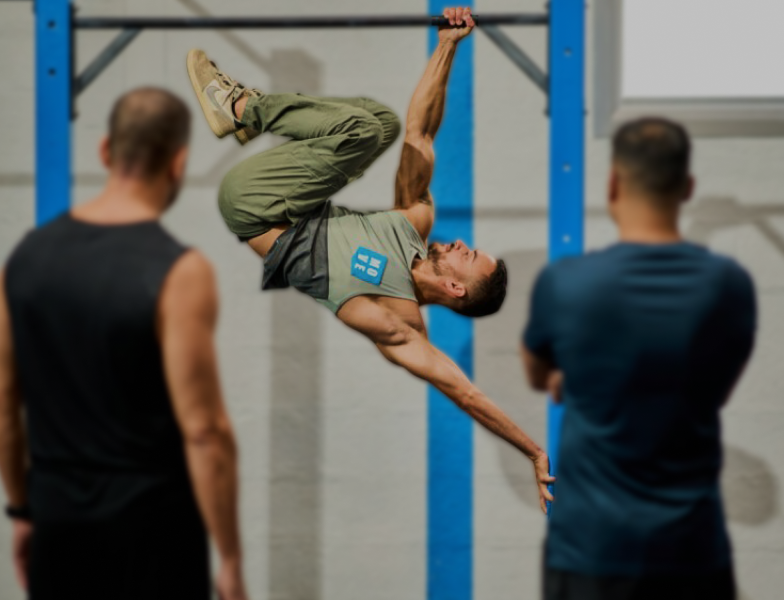
Progressive overload is the most important thing for results. It means you gradually challenge your body more over time. If you always do the same workout, your body adapts and stops growing.
Unlike weight training, where you can simply add plates, calisthenics training uses different ways to increase difficulty. Here’s how to apply it:
- Increase reps: If you can do 8 clean push-ups, aim for 10 next time, then 12. Small increases compound over time.
- Add sets: Once you can complete the target reps easily, add one more set.
- Shorten rest: Reducing rest from 90 seconds to 60 seconds increases intensity.
- Slow tempo: Lower yourself for three seconds and rise for one. Time under tension builds more control and strength.
- Harder variations: Move from incline push-ups to standard push-ups, then to archer or one-arm push-ups.
- Use added resistance: Weighted vests or dip belts are useful when bodyweight becomes manageable.
Think of each progression level as something you earn, not jump into. Your goal is to master the technique. Here’s what real progression can look like for pull-ups:
- Dead hang
- Scapular pull
- Negative pull-up
- Band-assisted pull-up
- Strict pull-up
This process typically takes 4–12 weeks, depending on your starting level and consistency. But the principle never changes: progress at your own pace, master each step, and your results will follow.
7 Common Beginner Mistakes (And How to Avoid Them)
In calisthenics training, starting strong matters, but avoiding mistakes matters more. These are the most common errors new athletes make during their training, and how to correct them.
Skipping the Warm Up
Cold muscles are stiff and prone to injury. Spend 5–10 minutes warming up with joint rotations, light cardio, and mobility drills. It prepares your body for performance and reduces strain.
Chasing Advanced Moves Too Early
Trying muscle-ups before mastering pull-ups or doing pistol squats without balance leads to frustration and injury. Always earn your progressions. Take your time. It’s not a sprint, it’s a marathon.
Neglecting Pulling Movements
Many beginners focus too much on pushing movements like push-ups while neglecting pull-ups or rows. This creates muscle imbalances and posture issues. Keep your push-to-pull ratio equal.
Inconsistent Training
Working hard for one week and skipping the next doesn’t work. Calisthenics only rewards steady effort. A minimum of three focused sessions per week helps you build lasting habits.
Ignoring Recovery
If you skip rest, nutrition, or sleep, you stall progress and risk injury. Muscles grow outside the gym, not during training.
Compromising Form for More Reps
Five perfect push-ups help you progress faster than fifteen sloppy ones. Maintain control and use a full range of motion.
No Tracking or Measurement
If you do not record your workouts, you wouldn’t know if you are improving. Write down each session’s sets, reps, and notes, either in a notebook or a phone app.
Avoiding these mistakes shortens your learning curve and keeps your bodyweight training safe, sustainable, and enjoyable.
5 Nutrition Basics for Calisthenics Athletes
Training gets you stronger, but food determines how your body looks, feels, and performs. The right nutrition supports your calisthenics training goals, whether it’s fat loss, muscle gain, or endurance.
The Foundation: Calories and Goals
- Fat loss: Slight calorie deficit.
- Muscle gain: Slight calorie surplus.
- Body recomposition: Eat at maintenance with high protein.
Protein: The Non-Negotiable
Protein rebuilds muscle after training. Aim for 1.6–2.2 grams of protein per kilogram of body weight daily. The best sources include chicken, fish, eggs, dairy, beans, and protein powders if convenient.
Carbohydrates: Fuel for Training
Carbs fuel your performance and quick recovery. Prioritize complex carbs like oats, rice, potatoes, fruits, and vegetables. Eat more around workout times for sustained energy.
Fats: Support Health
Healthy fats support hormones and joint function. Add olive oil, nuts, avocados, and fatty fish to your meals.
Hydration
Dubai’s climate makes hydration a constant need. Aim for at least two to three liters per day, more if you sweat or train outside. Remember, dehydration crushes your performance.
Keep it simple: Focus on whole foods 80% of the time. The rest of the details matter much less than consistency. Perfect diets don’t exist, but sustainable habits do.
Recovery and Mobility Work for Long-Term Progress
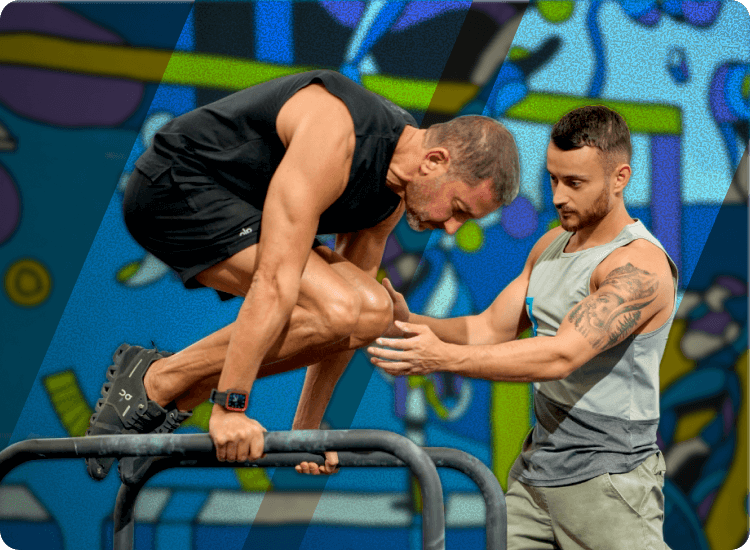
Calisthenics recovery is just as important as your workouts. Recovery is when muscles repair, adapt, and grow stronger. Elite and recreational athletes both improve by recovering well.
Sleep: The Ultimate Recovery Tool
Sleep triggers your body’s repair systems. Most adults need 7-9 hours of sleep every night. During this time, growth hormone release supports muscle development and mental focus for your next calisthenics session.
Active Recovery Days
Include light movement like walking, swimming, or stretching on rest days. It boosts your blood flow and reduces stiffness without adding fatigue.
Mobility Work
Dedicate 10–15 minutes daily to mobility routines. Focus on:
- Shoulders: Band dislocates or wall slides
- Hips: Deep squat holds
- Wrists: Gentle circles
- Spine: Cat-cow or segmental rolling
Mobility training keeps joints healthy and ready for the intensity of bodyweight fitness.
Listen to Your Body
Muscle soreness is normal. Joint pain is not. If you feel sharp or persistent pain in tendons or joints, stop and rest or see a professional.
Coach Insight Box: “We tell every athlete at Gravity Calisthenics Gym that you don’t get stronger during workouts, you get stronger during recovery. The workout is the stimulus; sleep, nutrition, and rest are when your body adapts. Respect the process.”
When and Why to Train with a Coach or Join a Calisthenics Gym
You can start independently. But if you learn calisthenics with a coach, it accelerates your results. Training alone has its limits, and it may stall your progress in the long run.
The Limits of Training Alone
Working by yourself can take you part of the way. But you can’t see your own form, and you are likely to have blind spots. Without support, it’s easy to miss sessions or stay stuck at the same level.
What a Good Coach Provides
A qualified calisthenics coach provides form correction, personalized progressions, and accountability. They also track your improvement and adjust your plan accordingly. With expert guidance, you achieve better results faster and stay injury-free.
The Power of Community
Training with others pushes you further. When you see someone get their first pull-up, you know you can as well. Many people join our calisthenics gym in Dubai for this very reason. Gravity Calisthenics Gym has a growing community of men, women, teens, and families participating in calisthenics and other forms of workout, like strength training, parkour, and Hyrox.
When to Join a Gym
Consider joining a calisthenics gym in Dubai, like Gravity Calisthenics Gym, if you:
- Want faster progress under guidance
- Have plateaued following online routines
- Want to learn advanced skills such as handstands or muscle-ups
- Need a structured, progressive environment
Gravity Calisthenics Gym has been helping beginners evolve into confident athletes since 2015 through structured programs, class bundles, and small-group coaching.
Start Your Calisthenics Journey Now
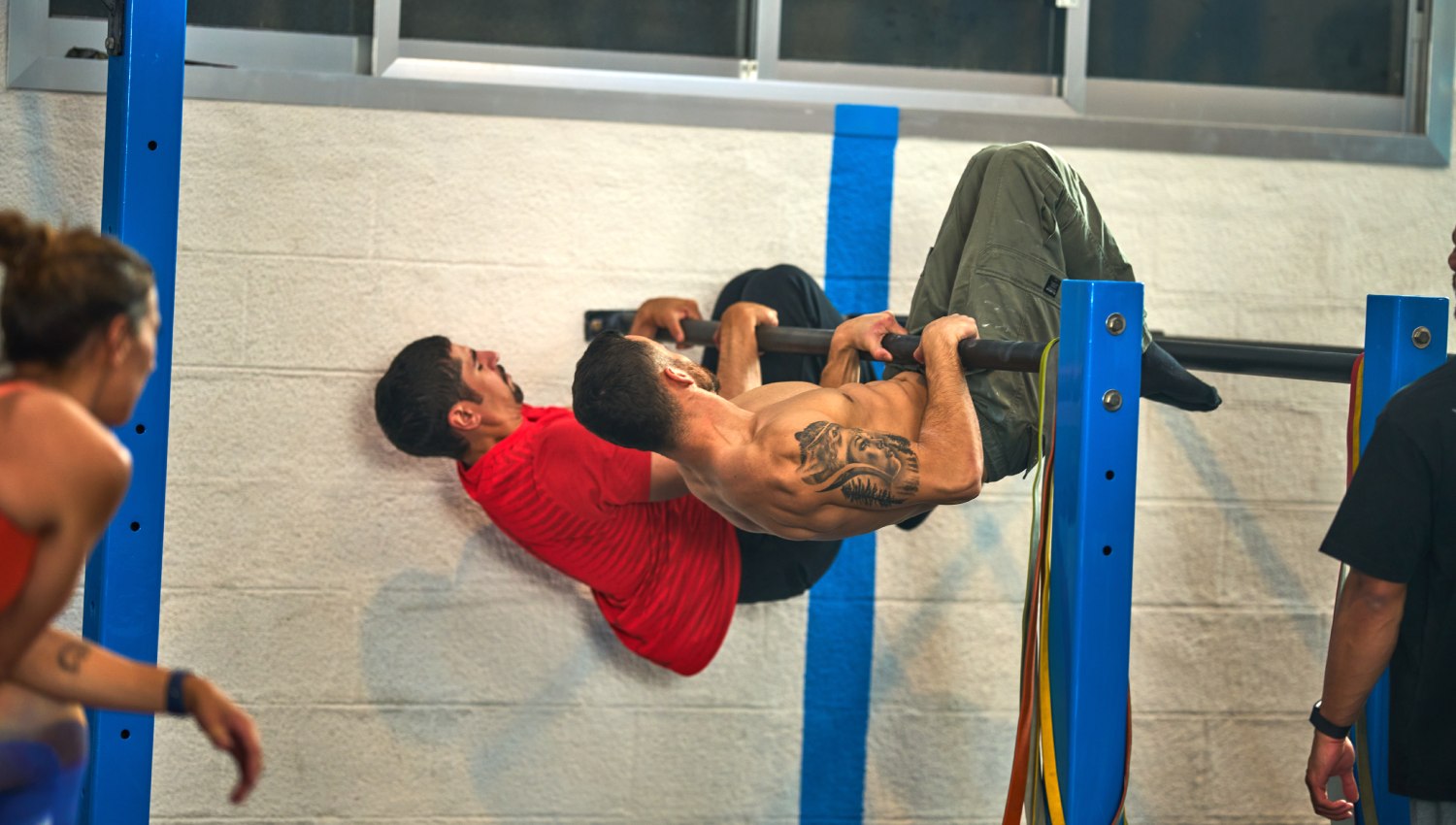
You now have everything you need to start calisthenics training. It’s accessible, effective, and sustainable for anyone willing to commit. Remember that every skilled athlete began where you are right now. What separates them is consistency. The best routine is the one you follow regularly.
If you’re ready to get started, do this:
- Complete the fitness self-assessment above to know your baseline.
- Start the four-week beginner program. Commit to every session.
- Track your workouts and nutrition daily.
- If you want guidance, consider trying a class at Gravity Calisthenics Gym or
- Come visit us for a professional assessment.
A year from now, you will be happy you started today. Make your next move your best move. Our community at Gravity Calisthenics Gym is ready to support you with structured coaching, expert tips, and encouragement, whether you are training for your first pull-up or your first “Battle of the Bars.”
If you need more information or help with your calisthenics training, reach out to us immediately.
Frequently Asked Questions About Calisthenics for Beginners
Q1: How long does it take to see results from calisthenics?
Most beginners see strength improvement within 2–4 weeks. You will see visible muscle changes typically after 6–12 weeks of consistent calisthenics training.
Q2: Can I build muscle with just bodyweight exercises?
Yes, progressive overload through harder variations and more volume helps you build muscle similar to weight training.
Q3: How many days per week should a beginner train in calisthenics?
Start with 3 days per week, leaving rest days between sessions for recovery. This helps you build the habit and gives your body time to recover.
Q4: Do I need any equipment to start calisthenics?
No. You can start with bodyweight movements. A pull-up bar is the best first purchase as you progress.
Q5: Is calisthenics good for weight loss?
Yes, calisthenics burns calories, increases muscle, and lets you train often. But you should combine it with good nutrition for faster and better results.
Q6: Can older adults do calisthenics?
With proper starting points and progressions, calisthenics works for all ages. Many people at Gravity Calisthenics Gym began in their 40s, 50s, or later and now perform skills they never thought possible.
Q7: How long until I can do a pull-up?
It depends on your starting point. With honest effort and progression, most beginners do their first pull-up in four to twelve weeks.