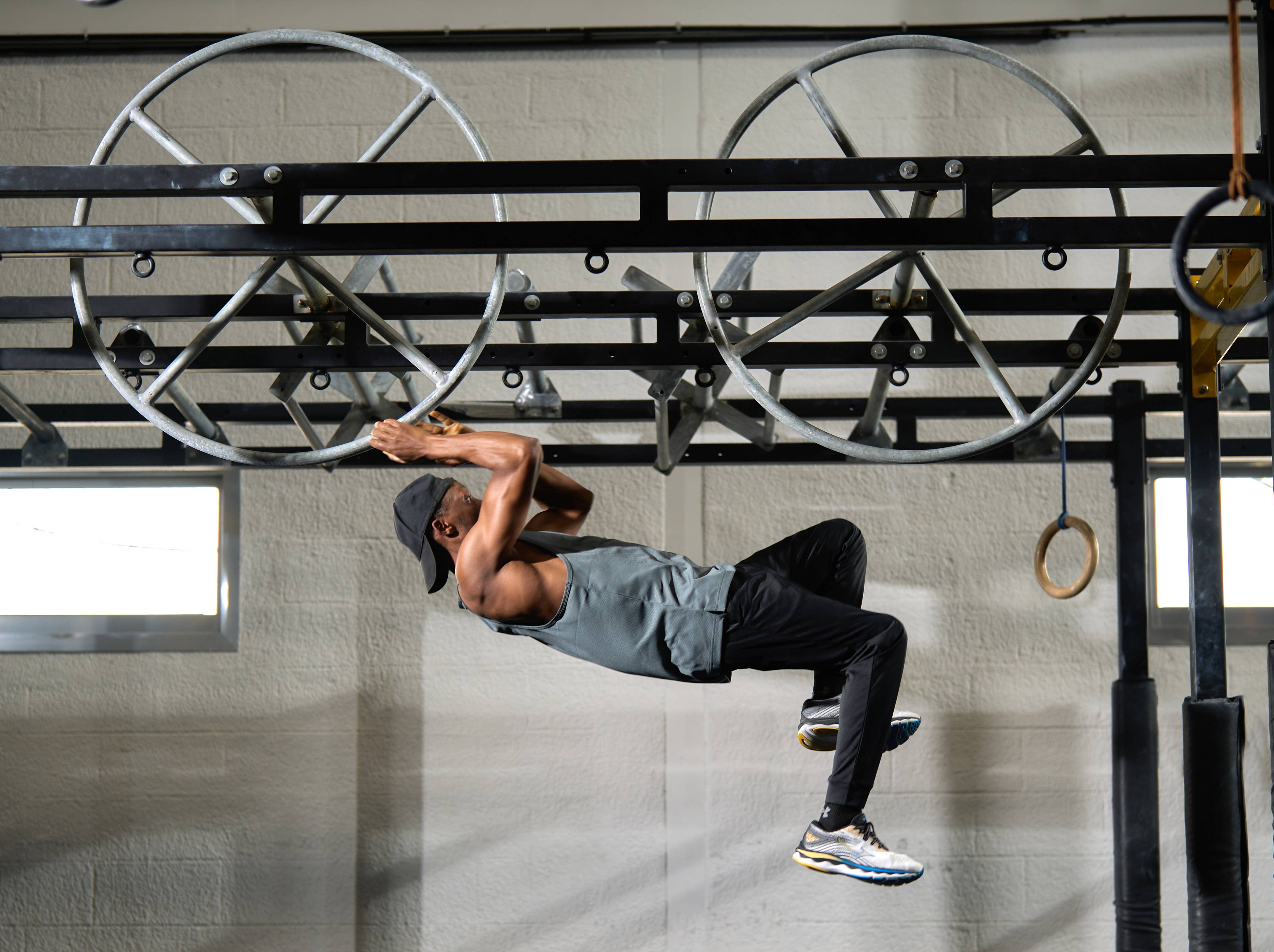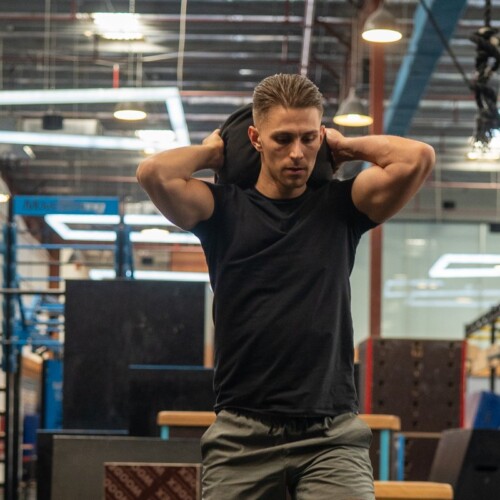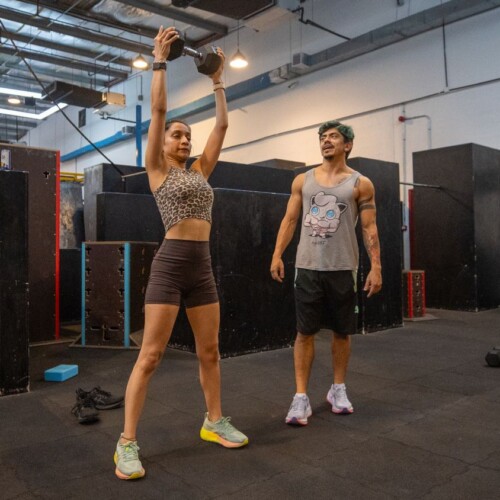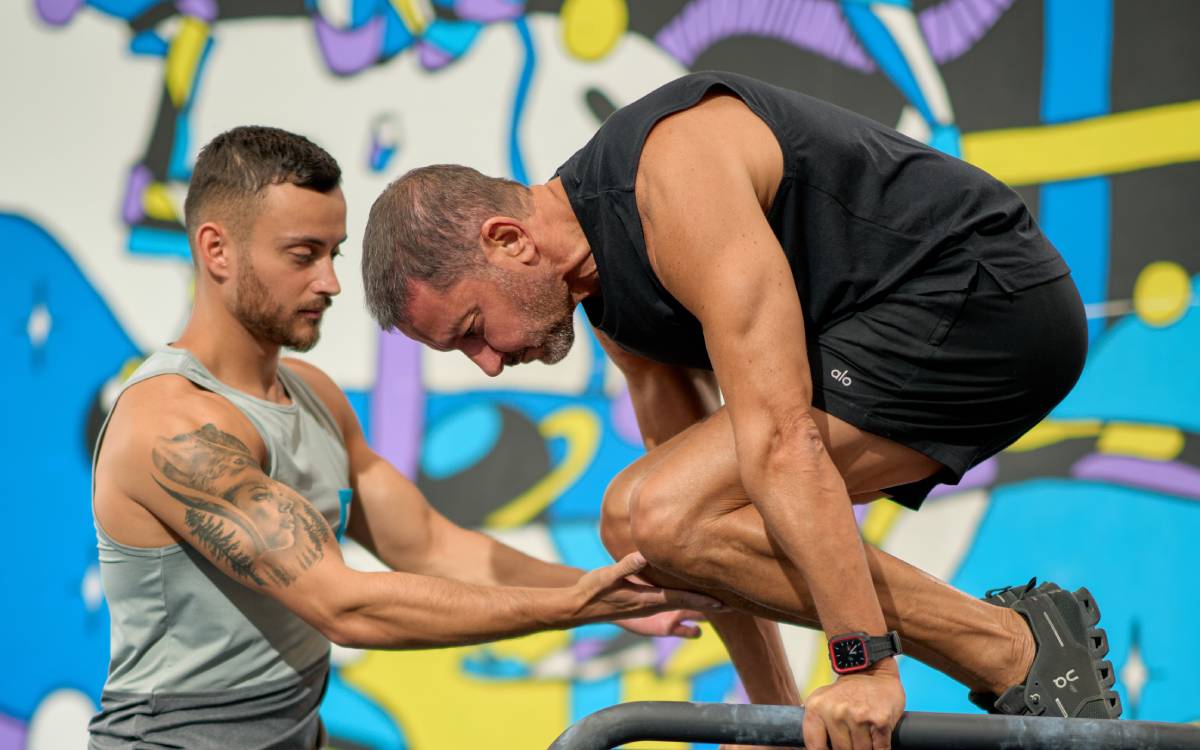
This is one of the most common questions we hear at Gravity Calisthenics Gym: “Should I book personal sessions or join a group class?” It’s a genuinely good question, and the honest answer is that neither format is universally superior. What matters is matching the right structure to your goals, personality, and where you are in your fitness journey.
Having coached hundreds of members across calisthenics, parkour, and functional movement since 2015, we’ve seen both formats produce remarkable results. We’ve also seen people stall because they chose the wrong one for their situation. So let’s break it down properly.
Understanding What Each Format Actually Delivers
Personal Training: Precision Over Volume
One-on-one coaching is built around individual attention and customised progression. Your coach watches every rep, adjusts your technique in real time, and builds a plan around your specific movement patterns, injury history, and goals. For someone working through a complex skill like a muscle-up or a freestanding handstand, this level of detail genuinely accelerates progress.
Research on exercise adherence and coaching effectiveness supports what we see on the gym floor: personalised feedback significantly improves motor learning and skill acquisition, especially for technically demanding movements. When form precision matters, nothing replaces eyes-on coaching.
Personal training also suits people dealing with specific physical limitations or those preparing for a targeted event. If you’re coming back from an injury or training toward an OCR competition with a hard deadline, the tailored approach removes guesswork entirely.
Where personal training has limitations
- The cost per session is substantially higher than group options
- Some people find solo sessions mentally draining without community energy
- Scheduling flexibility depends entirely on your coach’s availability
- Progress can feel slower if you thrive on external motivation from peers
Group Movement Coaching: Energy, Community, and Value
Group coaching is where many of our members genuinely fall in love with training. There’s something that happens in a room of ten people working through the same movement challenge together. The energy is contagious, the accountability is built in, and the cost per session makes consistent training financially sustainable.
At Gravity, our group classes aren’t generic fitness sessions. They follow structured, progression-based programming across disciplines including calisthenics, parkour, tumbling, and Hyrox. A qualified coach leads every class, gives real-time corrections, and adapts exercises to different ability levels within the same session. You get expert guidance without paying for exclusive access.
The global fitness industry has seen group training formats grow significantly in popularity, and that’s not just a trend driven by cost. It reflects something real: people train harder and more consistently when they’re part of a community. That social element isn’t a bonus feature. For many people, it’s the core of what keeps them showing up.
Where group coaching has limitations
- Coaches can’t focus exclusively on one person’s form throughout the class
- Absolute beginners may feel overwhelmed in a mixed-ability group
- Programming follows a group schedule, not your personal weak points
- If you have specific medical considerations, modifications require individual discussion
Your Body Can Do More Than You Think.
A Practical Coaching Formats Comparison: Cost, Results, and Fit
When weighing your training options, it helps to look at the real differences across a few key dimensions. Here’s how the two formats typically compare:
| Factor | Personal Training | Group Movement Coaching |
|---|---|---|
| Cost per session | Higher (premium rate) | Lower (shared cost) |
| Individual attention | Full, exclusive focus | Shared, still expert-led |
| Community energy | Minimal | High |
| Schedule flexibility | Coach-dependent | Multiple class times |
| Skill progression | Highly individualised | Structured group progression |
| Best for | Specific goals, rehab, elite prep | Consistency, community, variety |
This cost analysis isn’t about which is cheaper. It’s about which delivers the most value for your specific situation. A competitive athlete preparing for their first Hyrox race might need focused personal sessions to iron out technique. Someone building a sustainable movement practice over the long term often thrives in group classes five days a week at a fraction of the cost.
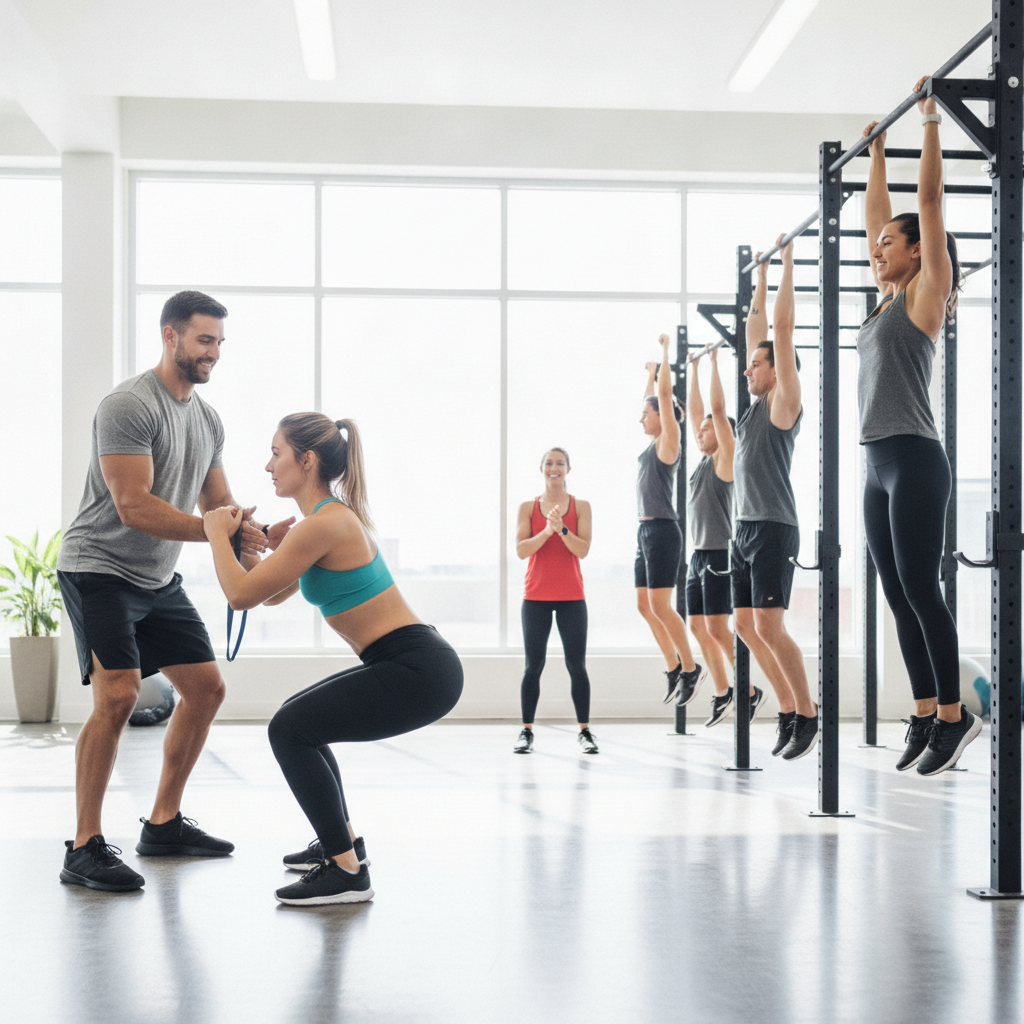
The hybrid approach: what most serious athletes actually do
Here’s what we’ve observed with our most consistent members: many start in group classes, build their base, and then layer in occasional personal sessions to work through specific technical barriers. This combination captures the best of both formats. You get the community, the consistency, and the energy from group training, while personal sessions handle the fine details that group classes can’t always address.
If you want to explore what’s available, you can browse our full class schedule to get a feel for how our group programming is structured across disciplines.
How to Choose the Right Format for Where You Are Right Now
Functional fitness training emphasises movements that build real-world physical capability, and both coaching formats can deliver this when applied correctly. The question is which one fits your current reality.
Choose personal training if:
- You’re working toward a specific, time-sensitive goal (an OCR event, a strength milestone, post-injury return)
- You’re a complete beginner who wants to build foundational movement before joining group classes
- You have a complex injury history that requires constant, individualised modification
- You’re an advanced athlete chasing a specific skill that needs dedicated technical work
Choose group movement coaching if:
- You want consistent training that fits your budget over the long term
- You’re motivated by community, energy, and shared challenge
- You want variety across disciplines without needing to design your own programming
- You’re at an intermediate level and ready to learn in a structured group environment
For parents considering their kids’ fitness, our dedicated children’s classes offer a group environment specifically designed for younger athletes building coordination and confidence. And if you’re curious about events that combine community training with competition, our events and workshops are a great place to experience both formats in action.
A counterargument worth acknowledging
Some coaches argue that group classes dilute quality because the coach can’t fully personalise instruction. That’s a fair point if we’re talking about large commercial gym classes with minimal coaching involvement. But it doesn’t hold up when the group size is small, the coach is certified, and the programming is intentionally designed for progression. At Gravity, our group classes are built on the same coaching principles as our calisthenics training methodology, where movement quality always comes first.
Looking ahead: the future of coaching formats
The line between personal and group training is blurring. We’re seeing a clear shift toward small-group coaching that delivers near-personal levels of attention within a community setting. Technology is also enabling remote movement assessments and hybrid coaching models where athletes get personalised programming but train in group environments. At Gravity, we’re already moving in this direction. The future of functional movement training isn’t one format or the other. It’s intelligent integration of both.
Whether you’re drawn to the precision of one-on-one work or the energy of training alongside others, what matters most is that you’re moving consistently, progressing intentionally, and supported by coaches who genuinely know their craft. That’s what we’ve been building at Gravity since day one.
The best coaching format is the one that keeps you coming back. Everything else is secondary. Explore what feels right, take a trial class, or speak to one of our coaches about how to structure your training. We’re here to help you figure it out, not just sell you a session.
You can also learn more about how smart movement training reduces injury risk, which is relevant whichever format you choose.
Still Thinking About It? Just Book It.
Frequently Asked Questions
Can I switch from group classes to personal training mid-programme without losing progress?
Yes, switching formats mid-programme rarely sets you back. Most coaches will assess your current movement baseline and continue building from there. At Gravity, members move between formats regularly, and coaches share notes to maintain continuity. You won’t restart from zero.
How many personal training sessions do beginners typically need before joining group classes?
Most beginners need around 4 to 6 personal sessions to build enough foundational movement competency to train confidently in a group setting. This gives you the core patterns, terminology, and body awareness to follow a class without feeling lost or risking poor form under fatigue.
Is group movement coaching suitable for people over 40 with limited training experience?
Absolutely. Group movement coaching is highly suitable for adults over 40, provided the classes are coach-led and progression-based rather than intensity-first. Our coaches routinely adapt exercises within group sessions so that members at different fitness ages train safely and effectively alongside one another.