Most people show up to the gym with good intentions and inconsistent results. They train hard, sweat a lot, and still feel like something’s missing. The truth is, effort alone doesn’t guarantee progress. What separates athletes who genuinely transform from those who plateau after a few months is simple: they train with intention.
At Gravity Calisthenics Gym, we’ve coached hundreds of members since 2015, from complete beginners who couldn’t hold a dead hang, to competitive athletes preparing for obstacle course races. One pattern shows up again and again. The people who get the most out of functional movement training aren’t necessarily the strongest or the most naturally gifted. They’re the ones who understand how to use their environment, their coaches, and their own body intelligently.
Here’s what that actually looks like in practice.
Build Your Training Around Movement Quality, Not Just Volume
Functional fitness is built on a different philosophy than traditional gym training. According to the American Council on Exercise, functional fitness training develops the muscles you use in daily life, prioritizing movement patterns over isolated muscle groups. That shifts the entire framework from “how much can I lift” to “how well can I move.”
In a functional movement gym, this distinction matters enormously for your training optimization strategy. If you’re grinding through high-rep sets with poor form, you’re not building movement quality. You’re reinforcing poor patterns, and those compound over time into injuries or persistent plateaus.
The Progression Ladder: Understanding Where You Are
One of the most effective tools we use at Gravity is what we call the progression ladder. Every skill, whether it’s a muscle-up, a parkour precision jump, or a Hyrox movement sequence, has entry points at multiple levels. Before chasing the advanced version, master the foundation.
This isn’t just philosophy. Research published in the National Center for Biotechnology Information supports structured progression as a key factor in sustainable athletic development, particularly for bodyweight and functional training protocols.
A practical breakdown looks like this:
| Skill Level | Focus Area | Example Progressions |
|---|---|---|
| Beginner | Body awareness and control | Dead hangs, negative pull-ups, plank holds |
| Intermediate | Strength under tension | Pull-ups, dips, L-sits, basic bar flows |
| Advanced | Skill expression and power | Muscle-ups, handstand push-ups, complex sequences |
Rushing this ladder is the single most common mistake we see. Slow down to speed up. It genuinely works.
Common Counterargument: “I Just Want to Train Hard”
We hear this often, and it’s a fair instinct. High-intensity training feels productive. But intensity without structure is just fatigue. You can train hard and train smart. The goal is to be pushing hard at the right level of challenge, not simply exhausting yourself. That’s where real workout strategy lives.
Commit to the Coolest Version of Yourself.
Use Your Coaches and Community as Active Training Tools
A functional movement gym offers something a standard commercial gym simply can’t replicate: expert eyes on your body every single session. That’s an asset most members dramatically underuse.
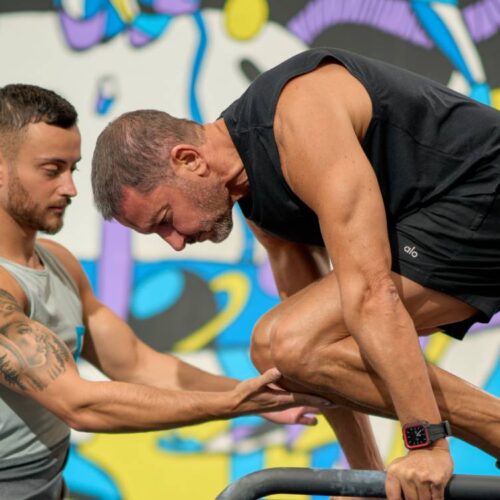
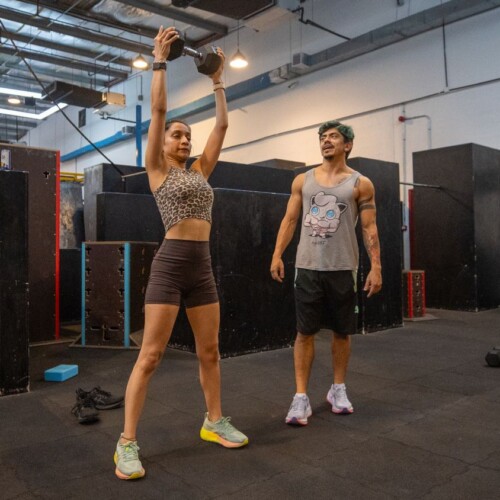
Your coaches aren’t there to demonstrate exercises and disappear. At our calisthenics classes, coaches actively cue, correct, and progressively challenge each member based on where they actually are, not where they think they should be. Use that. Ask questions before class. Request feedback mid-session. Share what you’re working toward.
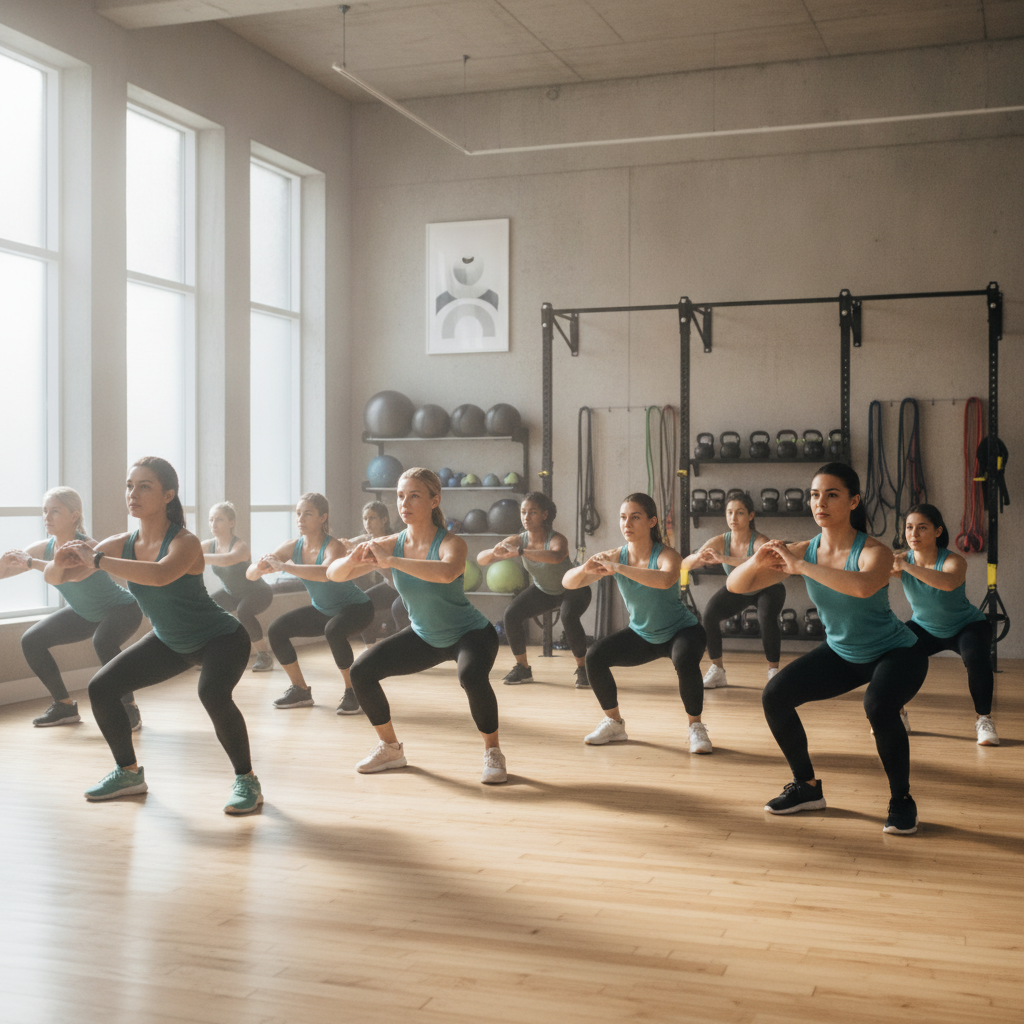
Train With People Who Are Better Than You
Community is one of the most underrated accelerators in fitness. When you train alongside people who are slightly ahead of you, your perception of what’s possible shifts. You push past mental barriers you didn’t even know you had.
This is why group training environments consistently outperform solo training for long-term adherence. The global fitness industry has seen a significant shift toward community-based models precisely because the data backs it up. Statista’s global fitness industry data shows continued growth in group and functional training formats year over year, reflecting a clear preference for coached, community-driven experiences over isolated gym sessions.
Structuring a Week for Maximum Progress
Here’s how we typically recommend members structure their week to keep maximizing gym benefits without burning out:
- 2 to 3 skill-focused sessions: Deliberate work on specific movements (pull progressions, handstands, precision work)
- 1 conditioning session: Higher intensity work like Hyrox training or circuit-based functional work
- 1 active recovery session: Mobility, light movement, stretching
- Rest days: Actual rest. Sleep is training. Don’t skip it.
This structure keeps you progressing across multiple physical qualities without overloading any single system.
Track Progress and Set Goals That Actually Mean Something
Vague goals produce vague results. “Getting fitter” tells your nervous system nothing. “Achieving my first clean pull-up by month three” gives you a target, a timeline, and a way to measure whether your approach is working.
Workout strategy without tracking is guesswork. And while not every session needs to be logged in granular detail, having a simple framework for monitoring your progress makes a significant difference in how you adjust training over time.
What to Track in a Functional Movement Context
Unlike weight-based gym training, functional movement progress isn’t always measured in kilograms lifted. Track these instead:
- Skill milestones (first pull-up, first bar muscle-up, first handstand hold)
- Movement quality scores from coach feedback
- Session consistency over a 4-week rolling window
- Recovery quality: sleep, soreness, energy levels
- Competition or event performance (for OCR and Hyrox athletes)
If you’re preparing for a specific event, check out our guide on competition success strategies that apply directly to functional athletes at any level.
Looking Forward: Where Functional Training Is Heading
The future of gym training is unmistakably functional. We’re already seeing a global shift away from machine-based isolation training toward movement-integrated, skill-progressive methodologies. In the next five years, expect to see hybrid training formats combining parkour, calisthenics, and sport-specific conditioning become mainstream rather than niche. Gyms that can offer expertise across multiple disciplines, supported by genuine coaching and community, will define what premium fitness looks like.
For members who invest now in understanding how to use these environments well, the returns compound. Skills built through intelligent, progression-based training don’t disappear the way crash-diet fitness does. They accumulate, layer on each other, and open doors to capabilities you genuinely couldn’t imagine at the start.
If you want to pair your training strategy with a strong foundation in bodyweight movement fundamentals, our breakdown of 8 essential bodyweight exercises is a practical starting point worth bookmarking.
Still Thinking About It? Just Book It.
Book a ClassConclusion
Getting the most from a functional movement gym isn’t about showing up more often or pushing harder every session. It’s about training with clarity: understanding your current level, using your coaches actively, building community into your process, and tracking what actually matters.
The gym is a tool. How you use it determines everything. At Gravity, we’ve built every class, every program, and every coaching interaction around the belief that intelligent movement beats brute effort, every time. Whether you’re six weeks in or six years in, there’s always a more precise, more effective way to train.
Ready to train smarter? Get in touch with our team and we’ll help you build a plan that actually fits where you are and where you want to go.
Frequently Asked Questions
How long does it take to see real progress in a functional movement gym?
Most members notice meaningful skill improvements within 6 to 8 weeks of consistent, coached training. Foundational movements like pull-up progressions and core control typically show the fastest early gains. The key is showing up at least 3 times per week and following a structured progression rather than training randomly.
Can I combine functional movement training with my existing weightlifting routine?
Yes, and it works well when programmed correctly. Treat functional movement sessions as skill and movement quality work, keeping your lifting days separate to avoid overlap fatigue. Many members at Gravity run both successfully by reserving 2 to 3 days for calisthenics-focused training and keeping compound lifting on alternate days.
Is a functional movement gym suitable for someone who has never trained before?
Absolutely. Beginners often progress faster in functional environments than in traditional gyms because every session is coached and structured around where you actually are. Starting with no prior training means no bad habits to unlearn, which is genuinely an advantage when learning bodyweight movement from scratch.