
If you have ever started calisthenics with genuine enthusiasm and found yourself back on the couch six weeks later, you are not alone. As a matter of fact, nearly 80% of gym-goers quit going within the first 90 days, which means calisthenics is no different.
But why do so many people begin calisthenics training in Dubai and then quit?
One reason is that it is not as effortless as it looks. Most people start because calisthenics training looks easy. But what looks easy on social media can be brutally humbling when you are the one who cannot hold a dead hang for more than ten seconds.
That said, quitting is seldom about lack of effort. It is about the approach. The reasons behind so many calisthenics dropouts are predictable and preventable.
Here is what actually prompts people to walk away, and tips on how to stick with calisthenics when things get hard.
Reason 1: You Start with Skills Your Body Is Not Ready For
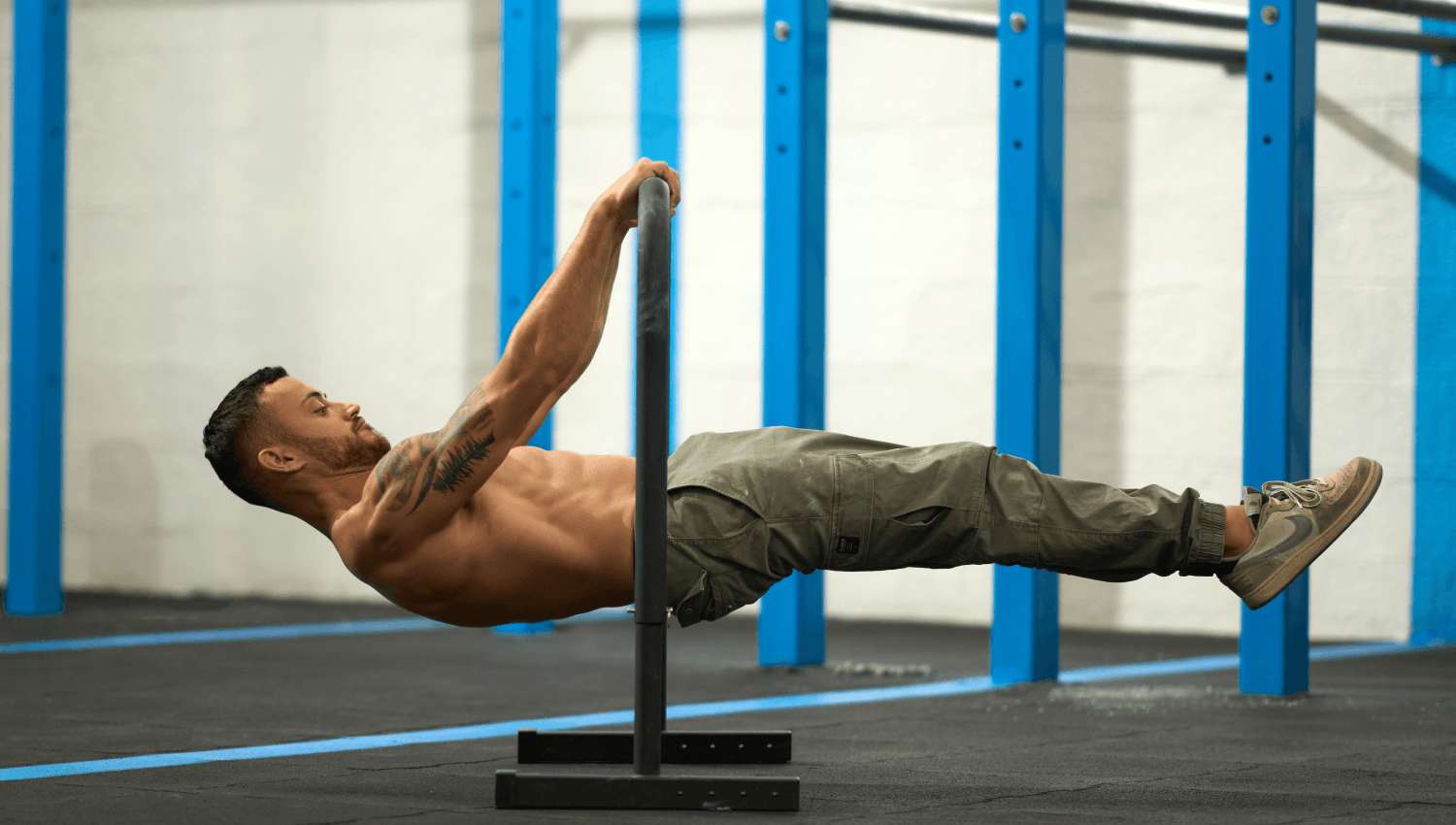
Scroll through enough calisthenics content on social media, and the muscle-up starts to look like a reasonable goal for your second month of training. It is not. What social media does not show you is the months of foundational work behind every clean muscle-up, planche, or front lever.
This is a classic calisthenics beginner mistake. You should not skip the basics and chase advanced movements before your body has the push-pull strength, core stability, and body awareness to support them. If you do that, it will lead to poor form, frustration, and often a minor injury that quietly ends the whole experiment.
The fix is a structured calisthenics skill progression that helps you build a foundation before it introduces skill work. The foundation classes at Gravity Calisthenics Gym are designed to help you lay this foundation.
These classes help you develop full-body conditioning, core activation, proper movement patterns, and coach-guided technique before any advanced skill is on the table. If you want to start calisthenics training in Dubai, choose a class that sets the foundation first. Start structured, build a base, and skills will follow.
Reason 2: You Train Alone with No Clear Program
Another common calisthenics training mistake is to go at it alone. As a beginner, you need a structured calisthenics workout plan. It is not the same as a solo park session.
Without a program, most people naturally gravitate toward movements they are already comfortable with. That might feel productive at first, but it limits progress quickly. And once progress stalls, motivation follows.
Training alone also removes accountability. It is easy to skip a session when no one is expecting you to follow through. No coach is watching your form, no classmates are showing up at the same time, and no external structure is keeping your efforts consistent.
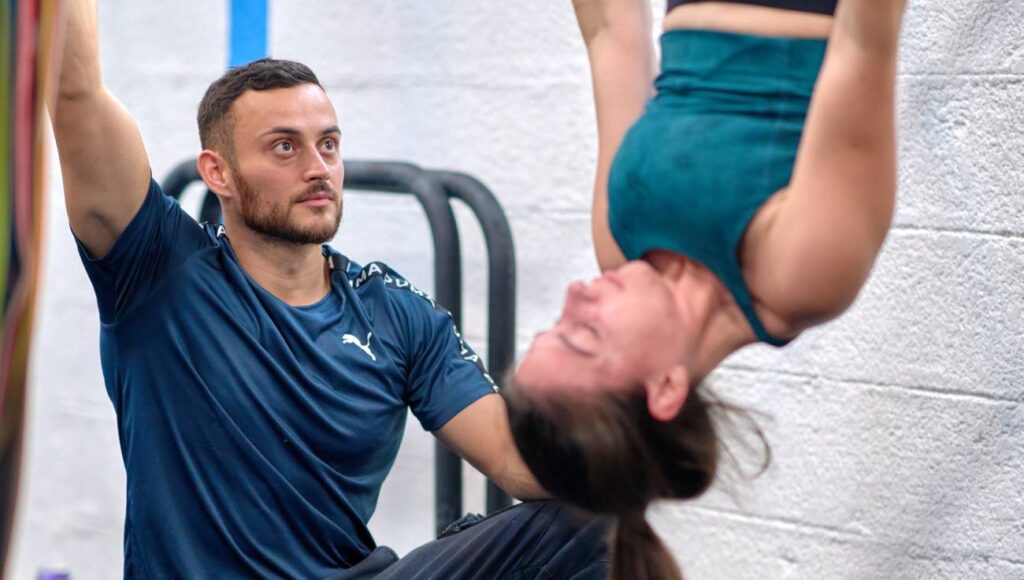
With a proper calisthenics training program and a coach, you work out consistently. As a customized training program is designed for you, the progression is intentional, and someone qualified is tracking how you are moving.
Calisthenics classes also bring a community element that most people underestimate. The fact is, training alongside others at a similar level has a way of keeping your efforts honest, even on the days your motivation runs low.
Coach Insight: “Most people do not quit because training is hard. They quit because every session feels random. A clear plan removes guesswork and keeps your effort consistent from day one.”
Reason 3: You Do Not See Results Fast Enough
This is where a lot of calisthenics journeys end, somewhere between weeks three and eight, before your adaptations become visible. Your efforts and soreness are real, but the mirror does not seem to reflect any of it yet.
But the truth is that strength gains happen before visible muscle changes. Your nervous system is adapting, movement patterns are consolidating, and real progress is occurring. It just does not show up in the mirror first.
If you are measuring your calisthenics body transformation only by looks, you will almost always quit too soon. Instead, measure it through the right performance metrics.
How long can you hold a dead hang compared to week one? How many clean pull-ups can you string together now? Has your form on a push-up actually improved?
Measuring your calisthenics progress through these metrics tells the story a mirror cannot. Work with a calisthenics coach who helps you track your baseline from day one. They can show you exactly how far you have come, even when calisthenics results seem invisible.
Reason 4: You Get Injured and Lose Momentum
Few things derail your calisthenics training drive faster than an injury. What often starts as wrist discomfort or shoulder tightness gets pushed through, escalates, and eventually forces you to take a break. That break becomes a week. The week becomes a month. The month turns into the end of it all.
Most beginner-level calisthenics injuries are preventable. Wrist pain, shoulder strain, and elbow discomfort, the three most common early complaints, almost always trace back to poor form, skipped warm-ups, or a complete absence of mobility work in the training routine.
Calisthenics injury prevention is not complicated, but it does require attention from the start. For one, remember that flexibility and mobility training are not optional. They keep your body prepared for the demanding movements.
Secondly, flexibility for calisthenics should be built into the training environment alongside the main classes. Do not train through pain, and do not skip the mobility work. As a beginner, getting this right from day one costs nothing. Getting it wrong often costs you the entire journey.
Coach Insight: “Pain is a signal, not something to push through. Most early injuries come from rushed reps and poor setup. When your form improves, your body stays in the training longer without forced breaks.”
Reason 5: You Hit a Plateau and Think You Have Topped Out
Every calisthenics practitioner hits a wall eventually. The movements that used to leave you sore start to feel routine. The pull-ups that challenged you six weeks ago now feel easy, and your progress appears to have stopped. Without any guidance on what comes next, a lot of people conclude that they have simply reached their ceiling.
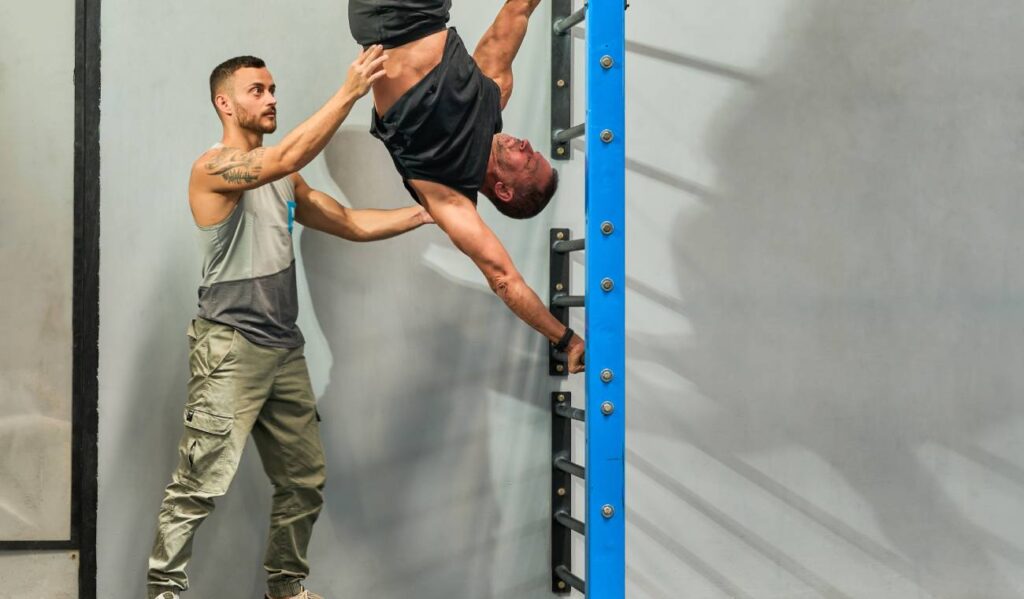
But that is not true. A calisthenics plateau is not a dead end. It is your body signaling that it has adapted to the current stimulus and is ready for a new one. The problem is that without a structured calisthenics progression, most people do not know what the next level looks like or how to get there.
At Gravity Calisthenics Gym, the three-tier class structure, with Foundations, Graduates, and Freestyle, is designed precisely for this. Overcoming a calisthenics plateau means moving up a tier when one level becomes comfortable. The next class is already built and waiting. The challenge does not disappear; it just changes shape.
Reason 6: You Train in the Wrong Environment
The environment matters more than most people think when they start calisthenics training. A commercial gym with a single pull-up bar is not a calisthenics gym, nor is a park with no equipment beyond a low bar.
Improvised setups lead to compromised form, limited exercise variety, and a training experience that slowly drains motivation without you fully realizing why. In other words, calisthenics training requires equipment like bars, rings, parallettes, and enough space to move properly.
More importantly, it benefits from a training culture oriented around the same goals. If you want to take up calisthenics in Dubai, look for a space where people around you are working toward similar goals. When you do that, consistency stops feeling like discipline and starts feeling like the norm.
Reason 7: You Have No One in Your Corner
Calisthenics is technically demanding enough that self-teaching from YouTube produces inconsistent results at best and reinforces bad habits at worst. There is a limit to what video tutorials can do when the person watching them does not yet have the body awareness to know whether their own form matches what they are seeing on screen.
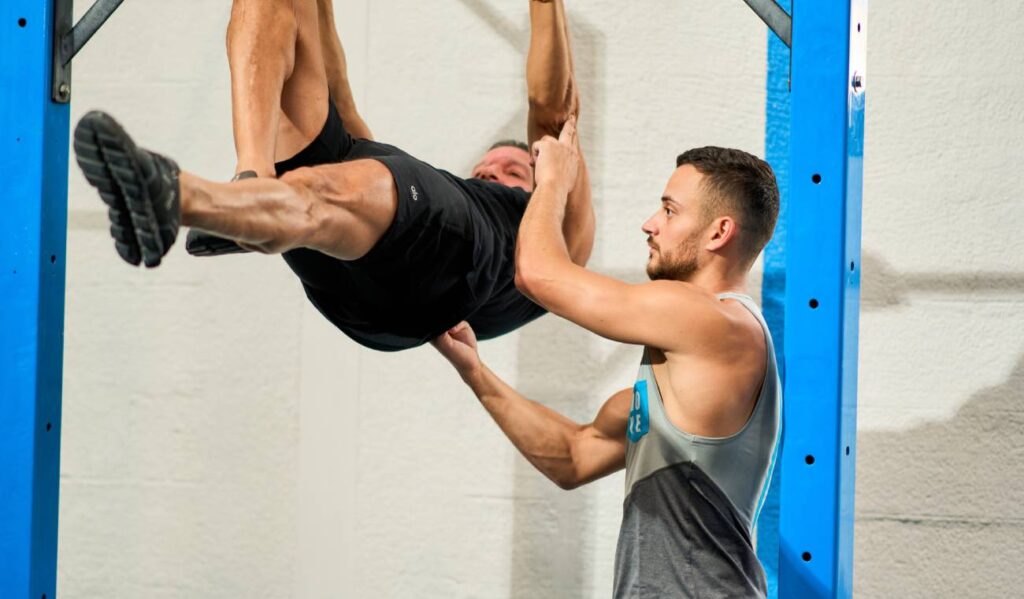
Always work with a certified calisthenics trainer who understands where you are starting from and what you plan to achieve. They can help you build a progression plan around your current ability and your actual goals.
Beyond a calisthenics coach, training alongside people at different stages of the same journey normalizes your struggle, celebrates progress, and gives you a reason to show up.
Coach Insight: “You do not repeat effort in calisthenics, you refine it. That refinement needs feedback. A coach and training group keep your standards high even on low-motivation days.”
You Do Not Have to Quit Calisthenics
Quitting calisthenics is almost always a systems problem, not a willpower problem. The real culprits are a wrong starting point, no structured program, unrealistic expectations, a preventable injury, no one tracking progress, and a plateau with nowhere to go. But none of them are inevitable.
Your right approach to calisthenics training in Dubai starts with a proper foundation, a coach who knows your baseline, a community that keeps you accountable, and a progression system that grows with you. That is what Gravity Calisthenics Gym offers.
If you are ready to start properly, we provide a free trial class. Come and find out what structured calisthenics training actually feels like when everything is set up to keep you going.
Book your free trial class today.