
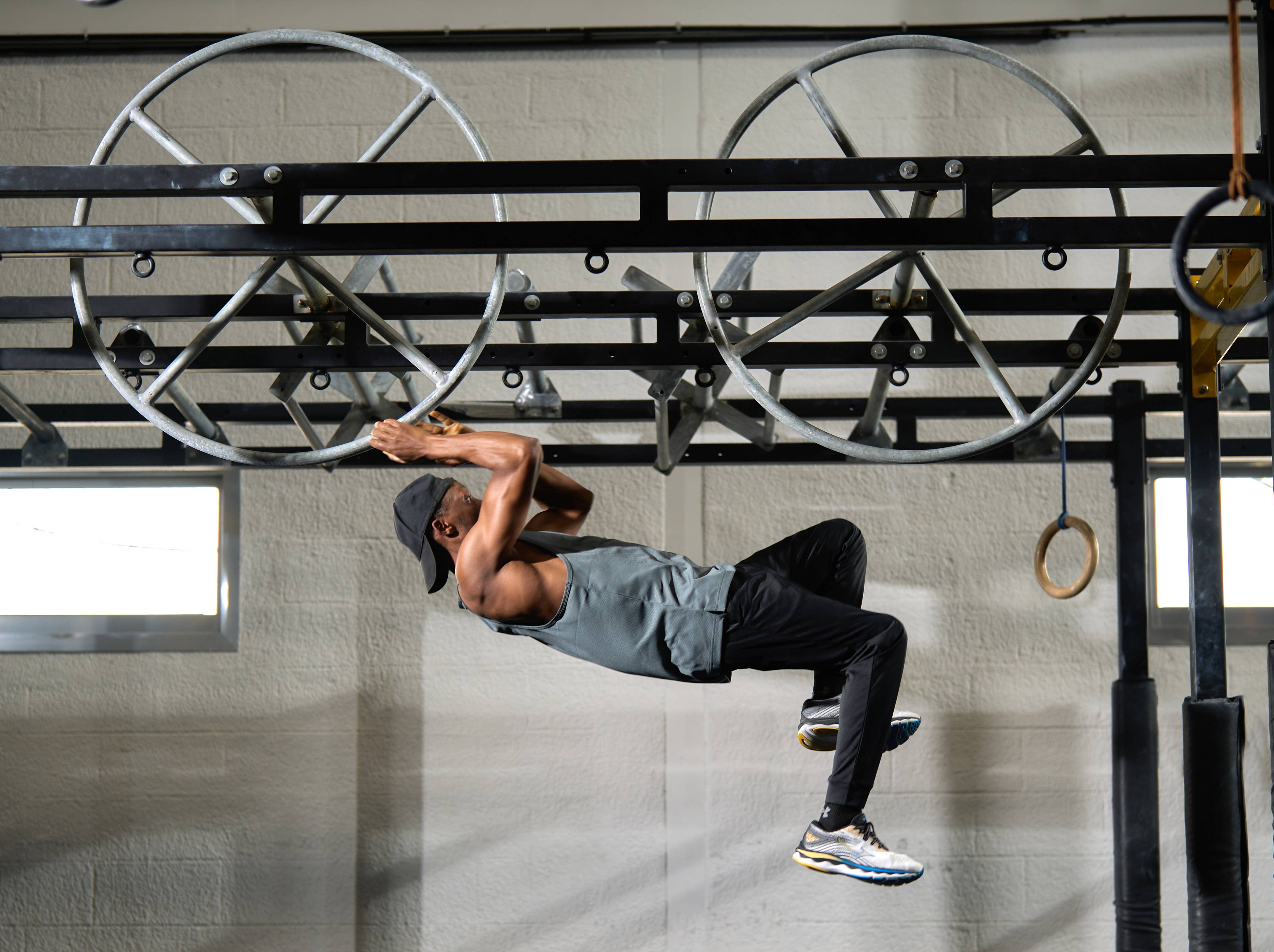
Functional movement training is one of the most rewarding paths in fitness. It builds real strength, improves coordination, and develops the kind of physical capability that carries into everyday life. But it’s also genuinely hard. Not just physically demanding, but technically complex in ways that can catch people off guard, especially those coming from machine-based gym training or traditional weightlifting.
At Gravity Calisthenics Gym, we’ve been working with athletes at every level since 2015. We’ve seen the same patterns emerge repeatedly across beginners, intermediate movers, and even experienced athletes transitioning into bodyweight or functional disciplines. Understanding these functional movement challenges upfront doesn’t just save you frustration. It actually accelerates your progress because you start training smarter from day one.
The Core Training Obstacles Most People Underestimate
Mobility Deficits That Limit Every Movement Pattern
This is the one that catches almost everyone. You can have solid cardiovascular fitness, decent strength, and a committed training schedule, yet still struggle to perform a proper squat, a hollow body hold, or a precise lunge pattern. Why? Because functional movement demands usable range of motion, not just flexibility measured in a static stretch.
Tight hip flexors, restricted thoracic rotation, and limited ankle dorsiflexion are among the most common movement barriers we see on the gym floor. These restrictions don’t just make movements feel uncomfortable. They create compensations upstream and downstream in the kinetic chain that lead to poor technique and, eventually, injury.
The fix isn’t to stretch more randomly. It’s to identify the specific restrictions that are limiting your target movement patterns and address them with targeted mobility work built into your training structure. According to the American Council on Exercise, functional fitness training works multiple muscle groups simultaneously and relies on joint mobility and stability working together. When one part of that equation is missing, the whole system suffers.
The Gap Between Strength and Skill
Here’s a truth that surprises a lot of new members: you can be physically strong and still completely unable to perform a fundamental bodyweight skill. A pull-up requires not just back strength, but scapular control, lat engagement timing, and core tension held through a full range of motion. A handstand isn’t just shoulder strength. It’s proprioception, wrist flexibility, balance, and body awareness stacked on top of each other.
This gap between raw strength and actual skill development is one of the defining functional movement challenges we coach around every single day. Research published in the National Center for Biotechnology Information highlights that neuromuscular coordination, not just muscular strength, is a critical component of functional performance. Your nervous system needs time to learn movement patterns, regardless of how strong you already are.
The practical implication is that progression in functional training is non-linear. Some weeks you’ll feel like you’re going backwards. That’s often when the biggest neurological adaptations are actually happening beneath the surface.
Consistency Across Multiple Movement Disciplines
Functional training encompasses a wide spectrum of disciplines, from calisthenics and gymnastics-based skills to parkour, tumbling, and event-specific training like Hyrox or obstacle course racing. Maintaining consistent progress across these domains while preventing overtraining is a genuine challenge, even for seasoned athletes.
The temptation is to train everything at maximum intensity all the time. The reality is that intelligent periodisation across disciplines is what creates lasting results. This means knowing when to push, when to consolidate, and how to sequence different training stimuli across a week or training cycle.
Your Body Can Do More Than You Think.
Psychological and Structural Barriers to Progress
Fear of Failure and the Confidence Gap
Movement training has a unique psychological dimension that you don’t encounter the same way in traditional gym training. When you’re learning a back lever, a precision jump, or a complex tumbling sequence, the fear of falling or failing is real and physically present. That fear creates tension in the body, which directly interferes with the relaxed, controlled movement required to execute the skill.
We see this especially with new athletes joining us for parkour or gymnastics-based work. The mental block is often a bigger training obstacle than the physical one. Building confidence through progressive, manageable skill challenges is exactly how we approach this. Small wins compound into belief, and belief changes how your body moves.
The same principle applies to kids in our movement programs, where confidence built through physical challenge translates powerfully into other areas of life.

Programming Inconsistency and the “Random Training” Trap
One of the most common training obstacles isn’t physical at all. It’s the absence of a structured progression system. Functional movement rewards patience and layered skill building. Randomly combining exercises, following disconnected social media workouts, or switching programs every few weeks resets the neurological learning process before it has time to consolidate.
Structured programming, like what we offer through our coached classes at Gravity, creates the repetition and progressive overload that functional skills require. Without that structure, athletes plateau early and often blame physical limitations when the real issue is programming.
| Challenge | Root Cause | Solution Approach |
|---|---|---|
| Mobility restrictions | Sedentary habits, poor warm-up protocol | Targeted mobility integrated into sessions |
| Strength-skill gap | Neuromuscular coordination deficit | Consistent skill-specific practice with regression options |
| Fear and confidence issues | Psychological barriers, unfamiliar movement demands | Progressive challenge loading in a supported environment |
| Programming inconsistency | Lack of structure, information overload | Coach-led periodised programming |
| Recovery mismanagement | Undervaluing rest and adaptation cycles | Scheduled deload weeks and cross-discipline balance |
Overcoming Movement Barriers: What Actually Works
Embrace Regression Without Ego
The athletes who progress fastest in functional training are almost never the ones who push hardest. They’re the ones who are willing to work the regression of a skill until it’s genuinely solid before moving forward. A perfect negative pull-up or a controlled tuck lever hold builds the real foundation that makes the full skill achievable.
This is the core of our coaching philosophy at Gravity. We believe in earning movement patterns, not rushing them. The training obstacles that seem most frustrating, like plateaus or repeated failed attempts, are usually telling you something specific about what needs more attention in your foundation.
Find Your Community
Functional movement training is significantly more effective in a community environment. Watching others work through the same functional movement challenges normalises the difficulty. Training alongside more experienced athletes gives you reference points for what good movement looks like. And the accountability of showing up for a group session is genuinely different from training alone.
The global fitness industry continues to grow, and with it, demand for community-based training experiences (see global fitness trends covered by Statista). The reason is simple: people perform better and stay consistent longer when they train with others who share similar goals.
A Note on Counterarguments
Some coaches argue that functional movement training is overcomplicated, and that simpler strength work produces better results for most people. There’s genuine merit to that view. Not everyone needs to pursue advanced calisthenics or movement skills, and basic compound strength training delivers real functional benefit for many populations.
The counter is this: for athletes who want to move well across multiple domains, build body awareness, and prepare for events like Hyrox or OCR, the complexity of functional training is a feature, not a flaw. Our events and workshops regularly bring together athletes from traditional strength backgrounds who discover entirely new dimensions of physical capability through movement-focused training.
The Future of Functional Training
Looking ahead, we expect wearable technology and movement analysis tools to become far more accessible, giving everyday athletes real-time feedback on joint angles, movement quality, and neuromuscular fatigue. This will make addressing skill development barriers faster and more precise. AI-assisted coaching platforms will also play a larger role in personalising progressions, though the human coach on the gym floor will remain irreplaceable for the tactile, responsive cues that functional movement demands.
The athletes who thrive in this space will be those who develop not just physical capacity, but movement literacy. The ability to understand, adapt, and learn new movement patterns quickly is becoming one of the most valuable physical skills a person can have.
Functional movement training isn’t supposed to be easy. The challenges are real, and they’re worth every bit of the effort they require. What matters most is having the right environment, the right guidance, and the willingness to stay in the process long enough to see what your body is genuinely capable of.
Still Thinking About It? Just Book It.
Frequently Asked Questions
How long does it take to overcome the main functional movement challenges as a complete beginner?
Most beginners see meaningful progress in foundational movement quality within 8 to 12 weeks of consistent, coached training. This includes improved mobility, basic bodyweight skill control, and reduced compensation patterns. The neurological adaptations happen quickly when sessions are structured and progressive, even before significant strength gains are visible.
Can someone with previous injuries still train functional movement safely?
Yes, and functional movement training is often recommended as part of rehabilitation because it restores natural movement patterns rather than isolating muscles in artificial planes. The key is starting with appropriate regressions and working with a qualified coach who can identify load and range-of-motion limits specific to your injury history.
Is functional movement training harder than traditional weightlifting for building visible muscle?
Building visible muscle through functional training takes longer than targeted hypertrophy programming, typically requiring 6 or more months of consistent work. However, the muscle developed tends to be more evenly distributed and integrated across the body, supporting coordination and injury resilience alongside aesthetics.