
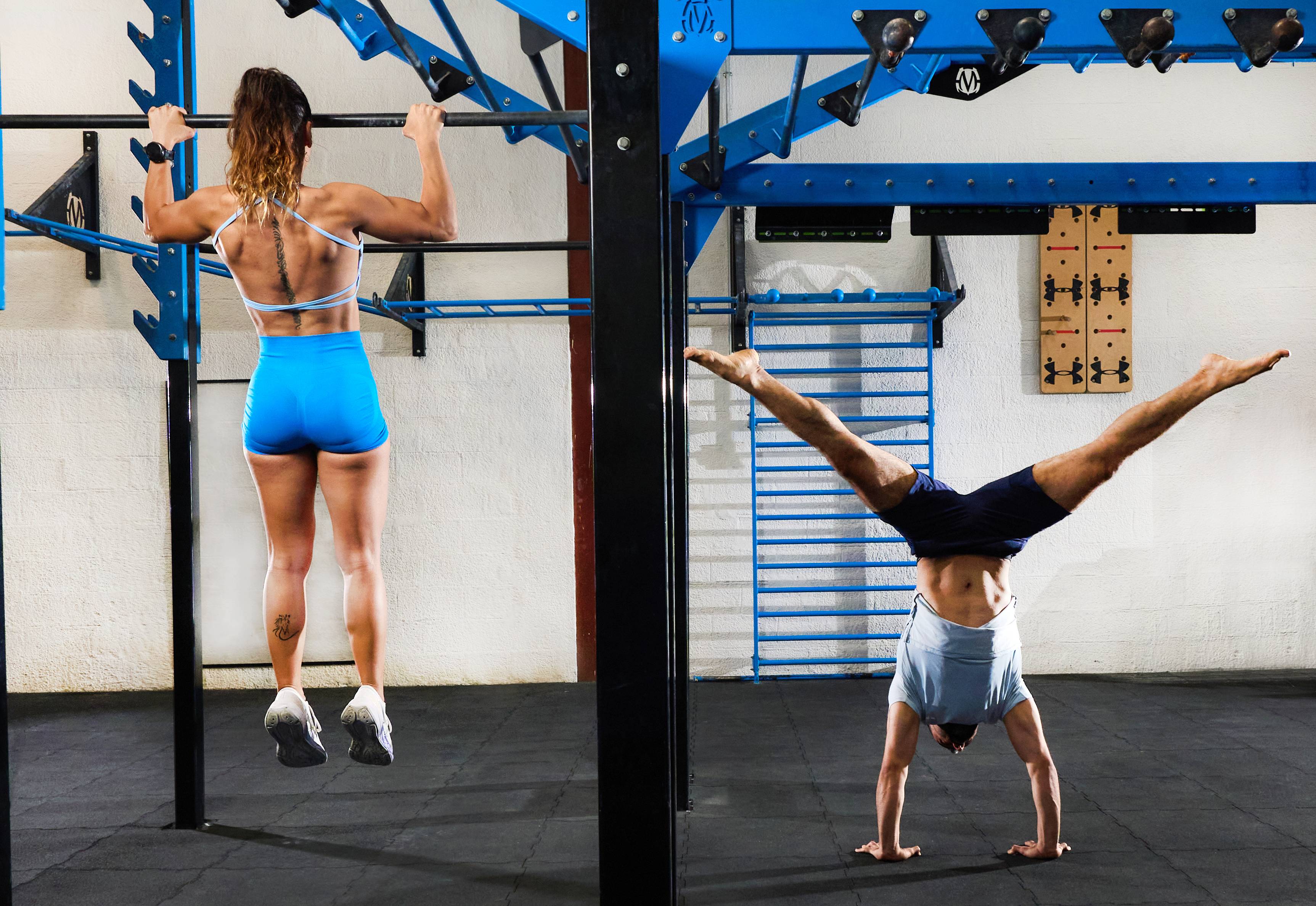
Most people who walk into a gym for the first time are chasing a result: lose weight, get stronger, look better. That’s fair. But there’s a different question worth asking, one that tends to produce far better outcomes over the long term: “Can my body actually move well?” That’s the question at the heart of functional movement training, and it’s one we’ve been helping people answer at Gravity Calisthenics Gym since 2015.
This isn’t a trend. It’s a training philosophy rooted in how the human body is designed to move, and understanding the mechanics behind it will change how you approach every workout.
The Core Principles Behind Functional Movement
At its core, functional movement training is about developing strength, coordination, and control in patterns your body actually uses. Not isolated machine movements. Not exercises that only work in a gym. Real movement patterns, the kind that carry over into sport, daily life, and physical challenges you genuinely want to take on.
ACE Fitness describes functional fitness as training the body for the activities performed in daily life, emphasising multi-joint exercises that improve balance, agility, and muscle strength simultaneously. That’s a clean definition, but on the gym floor, it looks like this: pulling, pushing, hinging, squatting, rotating, and carrying. Six fundamental movement principles that underpin everything from a parkour vault to a Hyrox sled push.
Multi-Plane Movement
The human body moves in three planes: frontal, sagittal, and transverse. Traditional gym training often fixates on the sagittal plane (think bicep curls, leg press). Functional training demands movement across all three. When you train in multiple planes, you build the kind of integrated strength that actually holds up under real physical demands.
Neuromuscular Efficiency
Strength isn’t just about muscle size. It’s about how efficiently your nervous system recruits and coordinates muscle groups. Research published via the National Institutes of Health supports the role of motor control and neuromuscular training in building lasting physical capacity. This is why calisthenics progressions, where you’re constantly challenging your body’s control at each new level, are so effective. The brain and body learn together.
Progressive Overload Through Skill
In conventional lifting, you add weight. In functional training, progression often comes through increased complexity, range of motion, or skill demand. An archer push-up requires more from your shoulder stabilisers than a standard push-up, not because it’s heavier, but because it’s harder to control. That’s intentional design, not random difficulty.
Your Body Can Do More Than You Think.
The Training Mechanics: What Actually Happens in a Session
Understanding the philosophy is one thing. Seeing how it translates into a real session is another. At Gravity, our coaches structure training around what we call intelligent progression, moving members forward at a pace that challenges them without creating injury risk.
| Training Phase | Purpose | Example Activity |
|---|---|---|
| Mobility Activation | Prepare joints and tissues for load | Hip circles, thoracic rotations, wrist prep |
| Skill Work | Build neuromuscular patterns | Handstand progressions, precision jumps |
| Strength Circuit | Develop functional capacity | Bodyweight rows, pistol squat work, bar hangs |
| Conditioning | Build endurance within movement patterns | Hyrox-style intervals, obstacle simulations |
| Cool-Down and Reflection | Recovery and movement quality review | Targeted stretching, coach feedback |
This structure isn’t accidental. Each phase feeds the next. You can’t rush skill work, and you can’t skip mobility and expect conditioning to be safe. The training mechanics follow a deliberate sequence because the body responds best to organised stimulus.
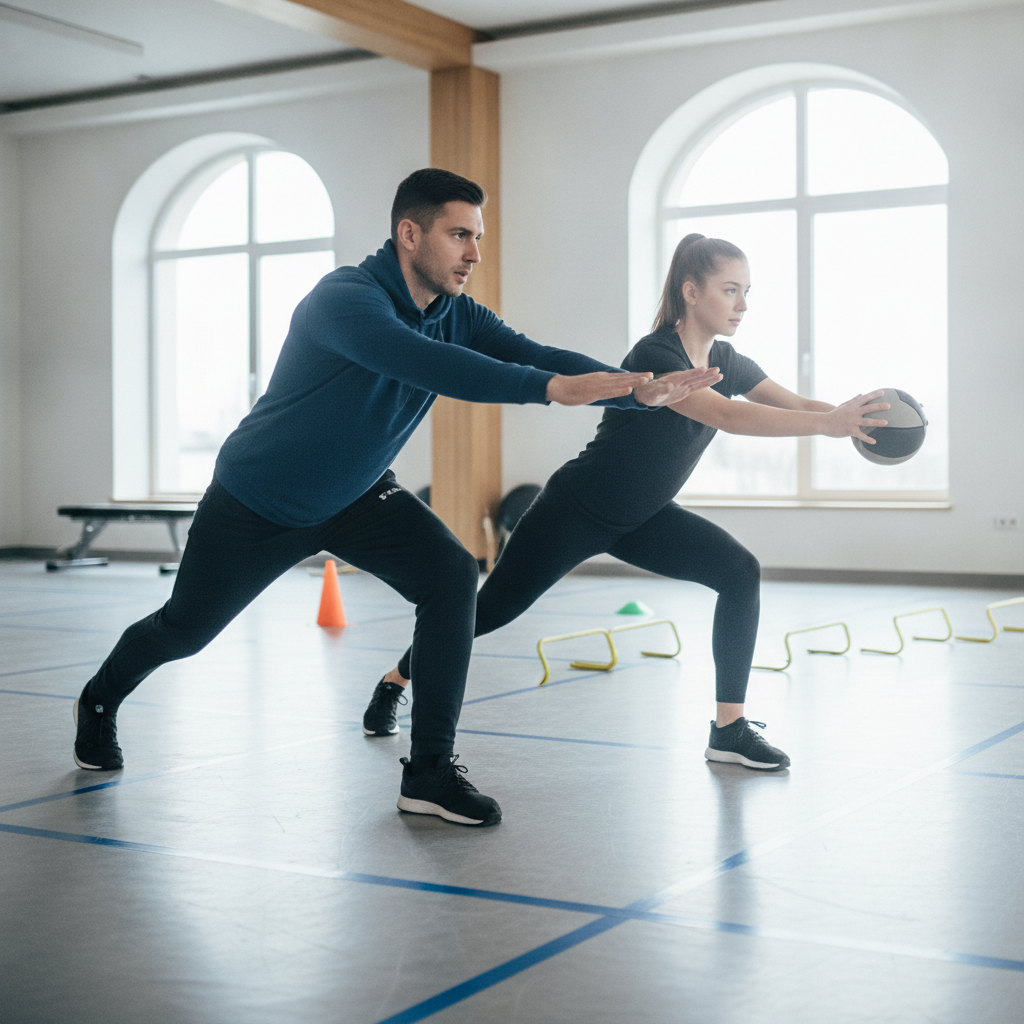
Why Bodyweight Training Fits This Approach So Well
Bodyweight exercise is a natural vehicle for functional training because your body itself becomes the variable. Adjust your leverage, your angle, your tempo, and the exercise changes completely. Our calisthenics training guide goes deeper into how these progressions work in practice, but the principle is simple: mastery of your own body is the foundation of all other physical capability.
Where Hyrox and OCR Fit In
Functional training doesn’t stop at bodyweight work. Events like Hyrox and obstacle course racing test exactly the qualities that this approach develops: strength endurance, coordination under fatigue, and the ability to move efficiently across varied physical challenges. Training for these events through a functional lens means you’re not just preparing for a race. You’re building a more capable body. Our coaches have seen this translate directly into Hyrox competition results time and again.
Common Misconceptions (and What the Evidence Says)
Let’s be honest about the pushback this approach sometimes gets, because some of it is worth taking seriously.
- “Functional training isn’t effective for building muscle.” This is partially true if you’re comparing high-volume bodybuilding with beginner calisthenics. But progressive, loaded bodyweight training produces genuine hypertrophy, especially when combined with skill-based progressions that demand consistent muscular effort.
- “It’s only for athletes.” This misses the point entirely. A 45-year-old professional who wants to carry their children, climb stairs without knee pain, and stay active into their 60s benefits from functional training *more* than a competitive athlete does. It’s the most transferable fitness approach available.
- “You can’t measure progress without numbers.” You absolutely can. Progressions, skill milestones, and movement quality benchmarks are legitimate and meaningful metrics. When a member achieves their first clean muscle-up after months of structured work, that represents measurable, concrete progress.
The global fitness industry continues to grow, as Statista’s fitness industry data reflects. Within that growth, the shift toward training modalities that prioritise quality of movement over raw output is real and accelerating. This isn’t a niche anymore.
A Note on Injury Prevention
One area where functional training consistently outperforms traditional approaches is injury resilience. By training the body in full ranges of motion, across multiple planes, and with an emphasis on control before load, athletes develop the joint integrity and motor patterns that reduce injury risk over time. We see this in our community constantly. Members who’ve struggled with chronic knee or shoulder issues often report significant improvement once they commit to movement-quality-first training.
Looking Forward: Where This Approach Is Heading
The future of training is personalised, movement-literate, and less dependent on external equipment. As wearable technology improves, coaches will have better data on movement quality, fatigue accumulation, and nervous system readiness. But the fundamentals won’t change. The body still needs to pull, push, hinge, squat, rotate, and carry. Functional training gives you the foundation to do all of it well, and to keep doing it for decades.
If you’re ready to experience what this looks like in practice, book a class at Gravity and let our coaches meet you where you are. Whether you’re just starting out or training for your next competition, the principles apply. The progression is waiting.
Still Thinking About It? Just Book It.
Conclusion
Functional movement training works because it respects how the body is built and how it learns. It’s not about aesthetics first or performance at any cost. It’s about developing a body that moves well, holds up under real demands, and keeps improving over time. The mechanics are clear, the principles are proven, and the community around this approach is growing for good reason. At Gravity, this is the foundation of everything we do. Train smarter. Move better. Build something that lasts.
Frequently Asked Questions
How long does it take to see results from functional movement training?
Most people notice meaningful improvements in mobility, coordination, and strength within 6 to 8 weeks of consistent training. Skill-based milestones, like holding a proper handstand or completing a pull-up progression, typically develop over 3 to 6 months depending on your starting point and training frequency.
Is functional movement training suitable for people recovering from injury?
Yes, and it’s often recommended during rehabilitation because it rebuilds movement quality rather than just rebuilding muscle. A qualified coach can modify progressions to work within your current capacity. Always get medical clearance first, then work with coaches who understand how to programme around specific limitations.
How does functional training compare to traditional weightlifting for overall fitness?
Functional training develops broader physical capacity across strength, coordination, balance, and endurance simultaneously. Traditional weightlifting excels at maximum strength and hypertrophy but typically trains fewer movement patterns. For most people outside competitive powerlifting or bodybuilding, a functional approach produces more transferable, day-to-day physical capability.