
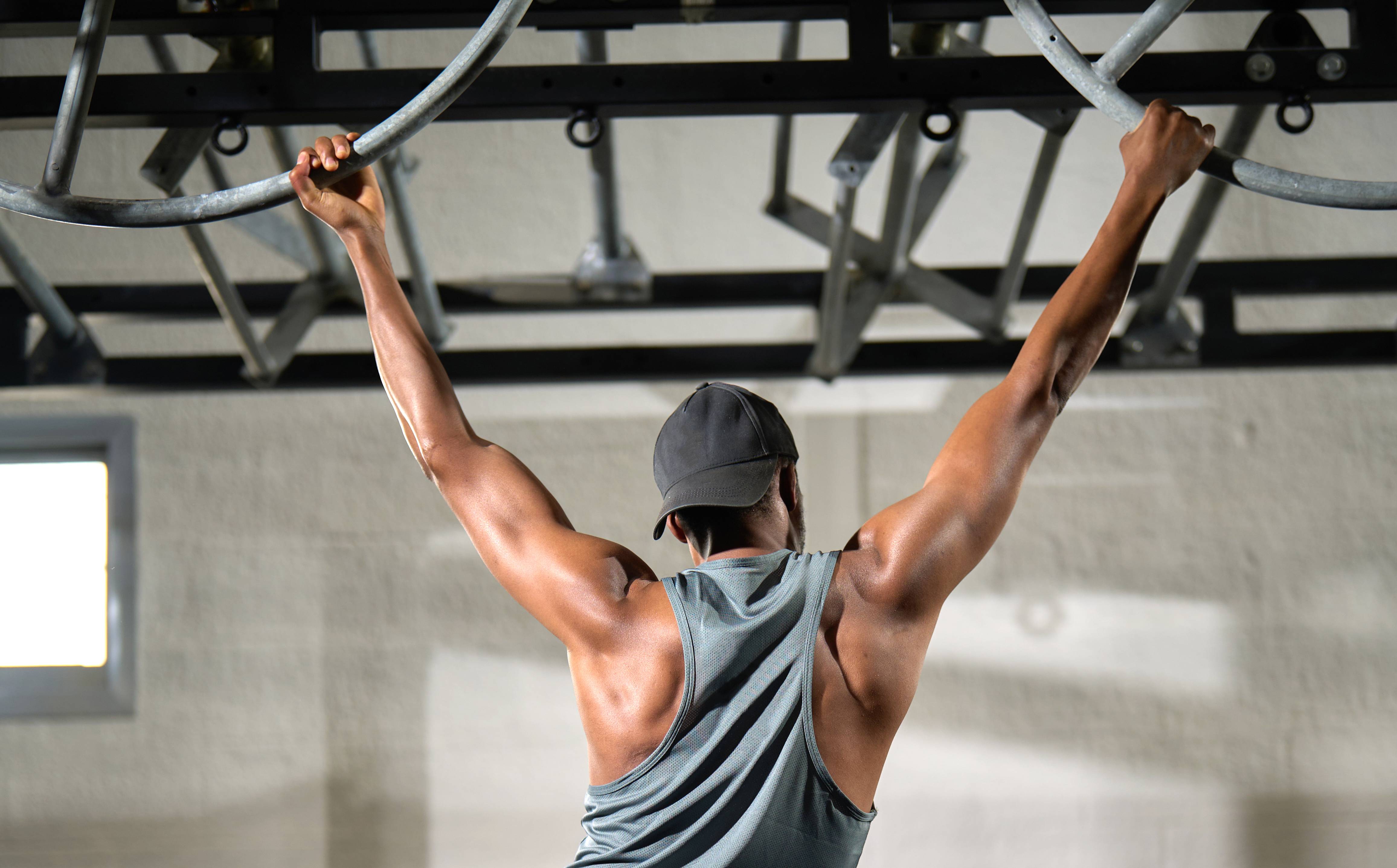
Most people who’ve spent time in a conventional gym know the feeling: you can bench a respectable weight, but struggle to control your own body through a pull-up. You can leg press heavy, but a pistol squat exposes every weakness you didn’t know existed. This gap between machine-based strength and genuine physical capability is exactly what functional strength training is designed to close.
At Gravity Calisthenics Gym, we’ve been working with this philosophy since 2015. What we’ve learned over hundreds of training sessions is that real strength isn’t just about force output. It’s about control, coordination, and the ability to move your body intelligently through space. That’s the foundation every program here is built on.
What Functional Strength Training Actually Means
The term gets used loosely, so let’s be precise. Functional strength training refers to training that improves your ability to perform real, multi-joint movements with control and efficiency. According to ACE Fitness, functional fitness involves training the body for activities performed in daily life, prioritising compound movements over isolated exercises.
This doesn’t mean isolation work is useless. But if the majority of your training involves machines targeting single muscle groups, you’re leaving a significant gap in your movement capability. The body works as an integrated system, and training methods that reflect this produce far better real-world results.
The Movement Patterns That Matter
Functional training organises itself around fundamental movement patterns rather than muscle groups. These include:
- Push (horizontal and vertical): press-ups, pike push-ups, dips
- Pull (horizontal and vertical): rows, pull-ups, muscle-ups
- Hinge: deadlift variations, single-leg hinges
- Squat: bilateral and unilateral squatting patterns
- Carry and brace: loaded carries, plank variations, hollow body holds
- Locomotion: crawling, jumping, landing, running mechanics
When you train these patterns consistently and progressively, you’re building movement mastery rather than just adding muscle. The difference shows up in how you move outside the gym as much as inside it.
Why Bodyweight Training Accelerates This Process
Bodyweight training has a unique advantage here. Every rep requires you to stabilise and control your own body, which means the nervous system is working just as hard as the muscles. Research published in the National Institutes of Health highlights that bodyweight and calisthenics-based training produces meaningful improvements in both strength and motor control, particularly when progressions are applied systematically.
This is why our calisthenics classes follow a structured progression model. We don’t just throw people into advanced skills. We build the foundation first, which makes the advanced movements more accessible and far safer.
Your Body Can Do More Than You Think.
Training Methods That Develop Strength and Skill Simultaneously
One argument you’ll hear against functional training is that it can’t build the same level of raw strength as barbell training. That’s worth addressing honestly. For pure maximal strength in a single lift, a well-designed barbell programme will outperform bodyweight work in the short term. But that misses the point of what most people are training for.
For athletes preparing for bodyweight-based fitness goals, obstacle course racing, parkour, or simply building a body that moves well and stays injury-resistant, functional methods are not a compromise. They’re the right tool.
Progression-Based Calisthenics
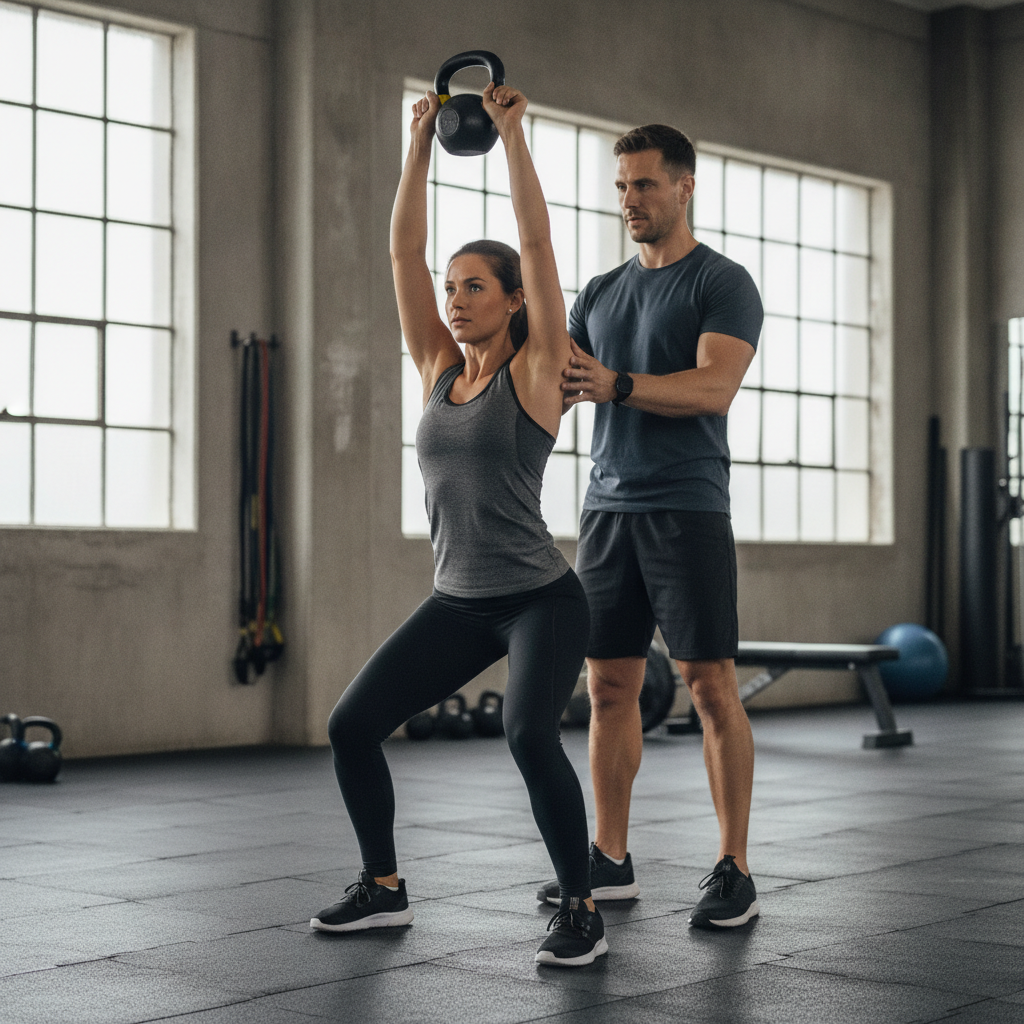
Calisthenics works through skill progressions. A beginner might start with incline push-ups and band-assisted pull-ups. Over months of consistent training, that same person develops the shoulder stability, scapular control, and pressing strength to perform ring dips and weighted pull-ups. The strength building happens through the progressions, not despite them.
Parkour and Locomotion Training
Parkour is often misunderstood as purely a performance discipline, but its training methodology is one of the most effective approaches to functional movement development available. Landing mechanics, precision jumping, and vaulting all require hip strength, ankle stability, and reactive force production that traditional gym training rarely develops. We take injury prevention seriously in this context: understanding how to prevent common movement injuries is built into how we teach from day one.
Hyrox and Hybrid Conditioning
Hyrox-style training combines sustained aerobic output with functional strength tasks. Sled pushes, burpee broad jumps, and rowing demand exactly the kind of full-body strength endurance that functional training builds. It’s a demanding format, and the fitness industry globally has seen significant growth in this type of competitive functional fitness, reflecting a broader shift toward performance-based training goals rather than purely aesthetic ones, as noted in global fitness industry trend data from Statista.
Comparing Training Methods
| Training Method | Primary Benefit | Best For | Skill Demand |
|---|---|---|---|
| Calisthenics | Bodyweight strength and control | All levels, structured progression | Medium to High |
| Parkour | Reactive strength, spatial awareness | Movement athletes, agility seekers | High |
| Hyrox Training | Strength endurance, conditioning | Competitive athletes, hybrid fitness | Medium |
| OCR Preparation | Grip, carry, obstacle-specific fitness | Race competitors, challenge seekers | Medium to High |
| Tumbling | Coordination, body awareness | Beginners to advanced movers | Medium |
Building a Training Practice That Lasts
The best training method is the one you stay consistent with. That might sound obvious, but it’s genuinely the most important variable. We see it repeatedly: members who engage with a community, follow a structured progression, and train across varied disciplines tend to make the most lasting physical progress.
Programming Principles We Apply at Gravity
Our coaching approach at Gravity is built on a few core principles that guide every class and every programme:
- Quality before intensity: We develop movement quality first. Adding load or volume to a poor movement pattern just reinforces dysfunction.
- Progressive overload through skill: In bodyweight training, progression often means a harder variation rather than more weight. Both are valid forms of overload.
- Train the whole athlete: Strength, mobility, coordination, and conditioning all receive attention. Neglecting any one of them creates imbalances that eventually surface as injuries.
- Community as accountability: Training alongside people who challenge and support you is one of the most underrated factors in long-term adherence.
Looking Forward: Where Functional Fitness Is Heading
The direction of the broader fitness world is already clear. Generic machine-based gym programmes are losing ground to approaches that prioritise movement quality, performance, and community experience. We expect to see continued growth in hybrid disciplines that combine strength, skill, and conditioning demands. Wearable technology will increasingly help coaches and athletes track not just output metrics but movement quality indicators, offering more precise feedback on how well someone is moving, not just how hard.
For those training at events and workshops, there’s also a growing appetite for structured short-course learning environments where people can develop specific skills intensively. Our events and workshops are designed exactly for this purpose, bringing focused coaching to specific movement goals in a concentrated format.
The future of strength training isn’t heavier. It’s smarter, more skill-based, and far more rewarding to practise over the long term.
Still Thinking About It? Just Book It.
Conclusion
Functional strength training isn’t a trend or a niche preference. It’s a return to what physical training was always meant to accomplish: building a body that works well, moves freely, and holds up under real demands. The methods we’ve outlined here, calisthenics, parkour, Hyrox conditioning, and structured movement progressions, all serve that same goal from different angles. Combine them intelligently, train with qualified coaches, and stay consistent. The results speak for themselves.
Frequently Asked Questions
How long does it take to see real results from functional strength training?
Most people notice measurable improvements in movement quality and body control within 6 to 8 weeks of consistent training. Visible strength gains typically follow at the 10 to 12 week mark. The timeline accelerates significantly when training frequency is 3 or more sessions per week under structured coaching.
Can complete beginners start functional training without prior gym experience?
Absolute beginners are well suited to functional training. Because progressions start with foundational movements like incline push-ups and assisted squats, there’s no prerequisite fitness level required. Starting from scratch actually allows coaches to build correct movement patterns from the ground up, which avoids the compensations that experienced gym-goers often carry.
Is functional strength training effective for weight loss, or is it mainly for athletes?
Functional training is highly effective for weight management. Compound movement patterns engage more muscle groups simultaneously than isolated exercises, producing a higher metabolic demand per session. A single calisthenics or Hyrox-style session burns significantly more calories than equivalent time on isolation machines, making it practical for both body composition and athletic goals.