
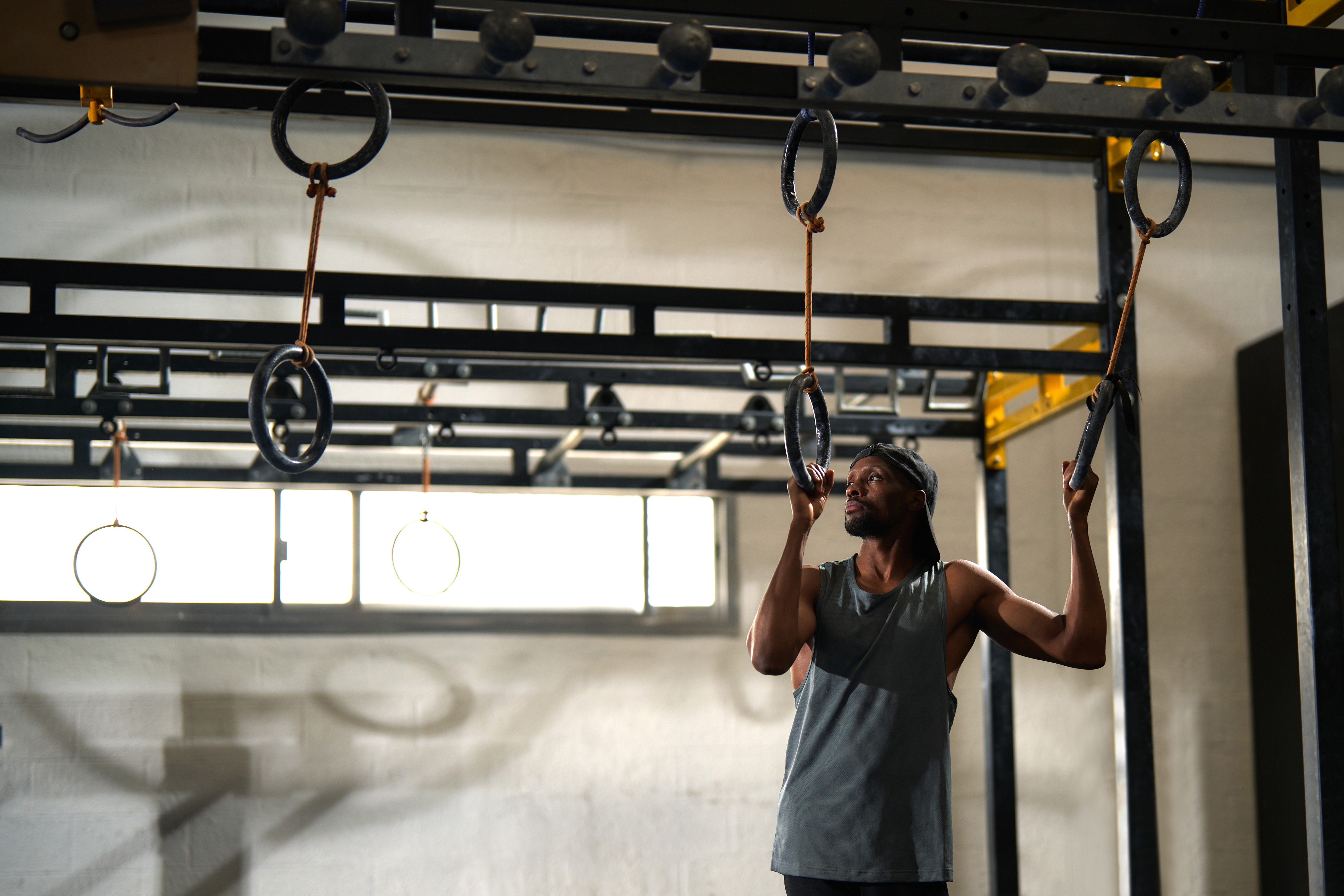
Strip away the machines, the cables, and the weight plates. What you’re left with is you, your bodyweight, and the ability to move with control and purpose. That’s the essence of calisthenics training, and it’s one of the oldest, most effective approaches to building a capable human body.
At Gravity Calisthenics Gym, we’ve been coaching this method since 2015, and the reason it keeps pulling people in is simple: it works. Not just for aesthetics, but for real, transferable strength that shows up everywhere from your sport to your everyday life.
The Foundations of Calisthenics Training
A Clear Fitness Definition
Calisthenics comes from the Greek words kalos (beauty) and sthenos (strength). The name captures exactly what the practice is about: building strength in a way that also develops grace, coordination, and control. In practical terms, it means using your own bodyweight as resistance to build muscle, improve mobility, and develop movement quality.
Unlike isolated machine exercises that work one muscle at a time, calisthenics recruits multiple muscle groups in every movement pattern. A push-up isn’t just a chest exercise. It demands core tension, shoulder stability, glute engagement, and full-body coordination simultaneously. That’s what makes it functional.
Core Bodyweight Exercises in a Calisthenics Programme
A well-structured calisthenics programme is built around a set of foundational bodyweight exercises, each targeting key movement patterns:
- Push patterns: push-ups, dips, pike push-ups, handstand progressions
- Pull patterns: pull-ups, chin-ups, ring rows, muscle-up progressions
- Hinge patterns: single-leg deadlifts, Nordic curls, glute bridges
- Squat patterns: bodyweight squats, Bulgarian split squats, pistol squat progressions
- Core and compression: hollow body holds, L-sits, leg raises, plank variations
Each of these patterns has dozens of progressions, from beginner-accessible to elite-level. That’s the beauty of movement training built this way: there’s always a next step.
Your Body Can Do More Than You Think.
Why Calisthenics Builds Functional Strength That Transfers
The Science Behind Bodyweight Training
Research published in peer-reviewed sports science literature consistently supports bodyweight resistance training as an effective method for developing muscular strength and endurance. A study in the Journal of Human Kinetics confirmed that calisthenics training significantly improves posture, strength, and body composition, even without external loading. The key variable isn’t the weight you’re lifting. It’s the demand placed on your neuromuscular system, and calisthenics does that through leverage, position, and movement complexity.
This aligns with what the American Council on Exercise defines as functional fitness training: training that improves your ability to perform real-life activities by developing strength, balance, and coordination across multiple planes of motion. Calisthenics fits that description perfectly.
How Progression Works in Practice
One of the most common misconceptions is that calisthenics is only for advanced athletes or gymnasts. It’s not. Progression is built into the system. You don’t start with a one-arm pull-up. You start with a band-assisted pull-up, then a full pull-up, then weighted pull-ups, then archer pull-ups, and eventually you have the foundation for more advanced work.
Here’s a simplified example of how a pull-up progression might look for a beginner working toward their first unassisted rep:
| Stage | Exercise | Goal |
|---|---|---|
| 1 | Dead hang holds | Grip and shoulder stability |
| 2 | Scapular pull-ups | Lat activation and control |
| 3 | Band-assisted pull-ups | Full range of motion pattern |
| 4 | Negative pull-ups | Eccentric strength development |
| 5 | Full pull-up | Unassisted complete rep |
This kind of structured approach is what we focus on in every session at Gravity. Progress isn’t random. It’s engineered.
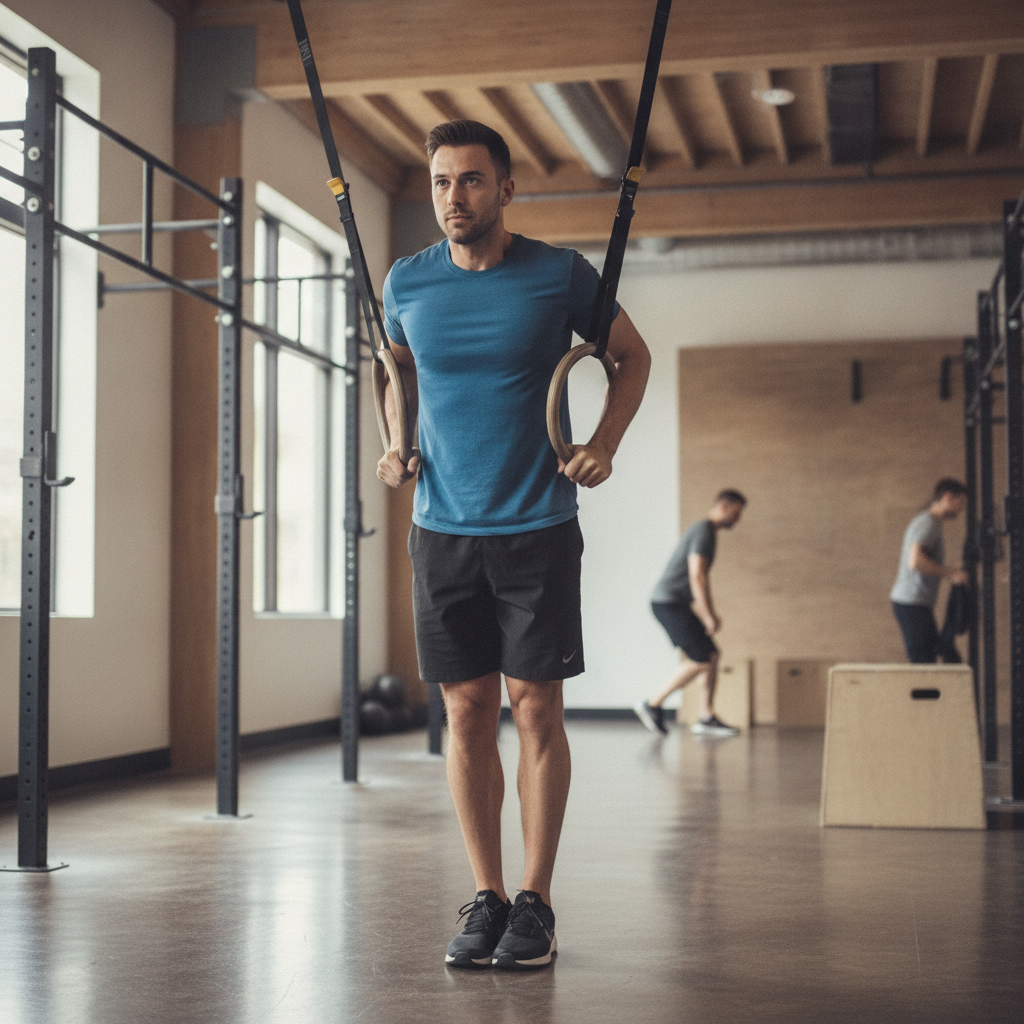
Is Calisthenics Right for You? A Balanced Look
The Real Advantages
Calisthenics training develops a type of strength that feels genuinely useful. Members who train with us consistently report improvements not just in the gym, but in how they move through daily life. Carrying bags, climbing stairs, recovering from stumbles, playing with kids: it all gets easier when your body is strong and coordinated.
The global fitness industry continues to grow, with worldwide gym memberships and fitness participation rising steadily year on year. Within that growth, bodyweight and functional training have become among the most consistently popular methods, precisely because they require minimal equipment and deliver broad physical benefits.
Other advantages worth noting:
- Can be trained anywhere (outdoors, travel, home) with little or no equipment
- Reduces injury risk by developing joint stability alongside strength
- Scales across all fitness levels, from complete beginners to competitive athletes
- Complements other sports and training disciplines effectively
If you’re curious about how calisthenics compares to other training formats for body composition, our article on why calisthenics outsmarts cardio for weight loss breaks that down in detail.
Where It Has Limitations (and How to Work Around Them)
Calisthenics isn’t a perfect solution for every goal. If your primary aim is maximal strength in isolated muscle groups, or if you’re pursuing powerlifting-specific performance, traditional barbell training will serve you better for those specific outcomes. Calisthenics also requires patience. The early stages of learning new movement patterns can feel frustrating before they click.
That said, these limitations are manageable. Combining calisthenics with other training modalities (like the functional fitness challenges we run through our Hyrox training programme) creates a well-rounded athlete who’s strong, mobile, and competition-ready.
The Future of Movement Training
Looking forward, the direction fitness is heading is clear. As gyms evolve and people seek more from their training than aesthetics alone, movement training rooted in skill and progression will only grow in relevance. Wearable technology, movement assessment tools, and AI-assisted coaching will increasingly help coaches personalise calisthenics programmes with even greater precision. But the fundamentals won’t change: a body that moves well, under control, across a full range of motion, will always be the goal. Calisthenics has always been built around exactly that.
The next generation of athletes will train this way not because it’s trending, but because the evidence keeps confirming what coaches have known for decades. Bodyweight mastery is foundational strength. Ready to build yours? Book a class at Gravity and start your progression today.
Still Thinking About It? Just Book It.
Conclusion
Calisthenics training is far more than pull-ups and push-ups. It’s a complete system for developing strength, coordination, and body awareness through intelligent, progression-based movement. Whether you’re taking your first steps in fitness or chasing advanced skills, it meets you where you are and takes you somewhere better. At Gravity, that’s exactly what we’re here for.
Frequently Asked Questions
How long does it take to see results from calisthenics training?
Most people notice measurable improvements in strength and movement quality within 4 to 6 weeks of consistent training. Visible changes in muscle tone typically appear around 8 to 12 weeks. Consistency and structured progression matter far more than session intensity, especially in the early stages.
Can calisthenics build as much muscle as weight training?
Yes, calisthenics builds significant muscle, particularly in the upper body, core, and posterior chain. The key is progressive overload, achieved through harder exercise variations rather than added weight. For lower body mass specifically, weighted training has an edge, but combining both methods delivers the best overall results.
Is calisthenics suitable for complete beginners with no gym experience?
Calisthenics is genuinely one of the most beginner-friendly training methods available. Every movement has an accessible starting point, such as wall push-ups before floor push-ups, or ring rows before pull-ups. A qualified coach can build a programme from your current level, regardless of your starting fitness.